

10 Hidden Factors in a General Contractor Pricing Guide to Avoid Unexpected Construction Costs

Ever wondered why general contractor pricing varies so much from one company to another? One estimate might quote you $50,000, while another hits $90,000 for the same job. Confusing, right?
Understanding how builders price their services is not just about comparing raw numbers—it’s about knowing why those numbers differ. Whether you’re remodeling your kitchen, building a new home, or managing a large commercial development, having an optimized general contractor pricing guide helps you budget confidently, avoid hidden markups, and choose the right professional.
Niche parameters like LMDX layout mechanics, material availability, and labor constraints dictate these variations. In this guide, we’ll break down exactly how contractor pricing works—so you can make smart decisions, protect your investment, and actually enjoy your next renovation project.
1. What Is a General Contractor?
A general contractor (GC) is the professional responsible for coordinating and overseeing all aspects of a construction project. From hiring subcontractors to managing materials, timelines, and safety standards—a GC ensures your project runs smoothly. Think of them as your project manager, quality control expert, and financial gatekeeper all rolled into one.
When you review a comprehensive general contractor pricing guide, you are looking at the combined cost of specialized trade operations packaged into a single managed contract.
2. Structural Elements of a General Contractor Pricing Guide
Every transparent general contractor pricing guide bases its final project estimation on four layered operational components. Knowing these components helps you pinpoint exactly where your money goes:
- Labor Costs: Wages for in-house craftspeople and specialized trade subcontractors (like plumbers and electricians).
- Material Costs: Hard goods including lumber, drywall, plumbing fixtures, electrical wiring, and finishes.
- Overhead: Operational expenses such as office rent, liability insurance, local permits, and specialized equipment upkeep.
- Profit Margin: Usually 10% to 20% depending on experience, region, and project scope.
3. Common Pricing Models in Your General Contractor Pricing Guide
Choosing the right contractual framework changes how risk and extra costs are distributed throughout production. Most guides categorize contracts into three primary structures.
3.1 Fixed-Price (Lump Sum) Contracts
A single, agreed-upon price covers the entire project from start to finish. This model is ideal for jobs with a highly explicit and fixed Scope of Work.
- Pros: Easy budgeting, predictable costs.
- Cons: Limited flexibility; alterations trigger costly change orders.
3.2 Cost-Plus Contracts
You pay for the actual construction costs plus a pre-negotiated contractor’s markup (typically 10% to 25% to cover overhead and profit). It is standard practice to request an “Open Book” clause in your general contractor pricing guide documentation so you can verify actual material receipts and subcontractor invoices.
- Pros: Transparent, highly flexible for custom builds.
- Cons: Less initial price certainty; costs can balloon if issues arise.
3.3 Time and Materials (T&M) Contracts
You pay a designated hourly or daily labor rate plus the raw cost of materials. This setup is common for small repairs or complex diagnostic restorations where the final project scale is uncertain.
4. Crucial Factors That Affect General Contractor Pricing Guide Estimates
- Project Size & Scope: Complex spatial geometries or heavy structural modifications require more engineering coordination.
- Location: Dense urban areas experience significantly higher labor rates, strict staging requirements, and expensive local permit fees.
- Material Quality: Selecting premium architectural finishes vs. standard builder-grade materials alters the bottom line.
- Timeline: Fast-track or emergency schedules require overtime crews, commanding premium pricing.
- Experience: A seasoned GC with a proven track record may charge more upfront but avoids costly structural mistakes down the road.
5. Average Costs & Duration by Project Type
The table below outlines real-world benchmarks for common construction activities across the industry:
| Project Type | National Average | Realistic Price Range | Est. Duration |
| Kitchen Remodel | $25,000 | $15,000–$60,000 | 6–12 Weeks |
| Bathroom Remodel | $10,000 | $5,000–$30,000 | 3–5 Weeks |
| Custom Home Build | $350 / sq. ft. | $200–$500 / sq. ft. | 10–16 Months |
| Room Addition | $200 / sq. ft. | $100–$300 / sq. ft. | 8–12 Weeks |
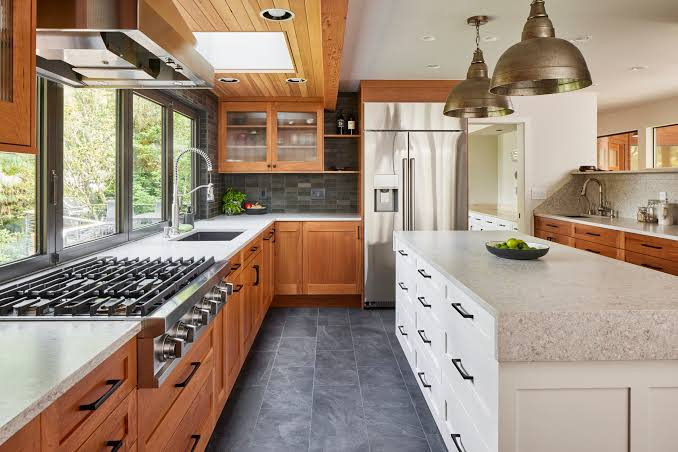
6. Hidden Fees Most Homeowners Miss
The initial estimate sheet rarely tells the whole story. To protect your savings, look out for these unlisted line items that can skew your standard general contractor pricing guide calculations:
- Permit and Municipal Inspection Fees: Often billed separately from the core labor quote.
- Change Orders: Any plan modifications or finish upgrades made after the contract is signed can add up quickly.
- Disposal and Heavy Cleanup Charges: Hauling away tons of old concrete or framing requires expensive dumpster rentals and landfill fees.
- Unforeseen Structural Issues: Discovering historical wood rot, mold, or foundational settling once walls are opened up.
Budgeting Tip: Always retain a separate 10% to 15% cash contingency buffer above your contractor’s highest estimate to absorb these unexpected discoveries cleanly.
7. How to Get Accurate General Contractor Pricing Guide Estimates
To ensure you receive precise quotes during the competitive bidding phase, follow these structured protocols:
1.Define Your Scope Explicitly:Before calling builders.
Provide a detailed list of preferred finishes, dimensions, and professional architectural drawings if possible. Vague descriptions yield vague estimates.
2.Acquire Multiple Comprehensive Bids:Aim for three minimum.
Reach out to at least three independent builders to evaluate local market pricing for your specific neighborhood.
3.Practice Strict Bid Leveling:Compare apples to apples.
Ensure every contractor is quoting for the exact same materials, brands, and tasks. If one bid leaves out demolition or cleanup, the numbers will mislead you.
4.Verify Licensing & Operational Insurance:Mitigate financial risk.
Always check active general liability insurance, workers’ comp coverage, and verify local references before signing.
8. Pros & Cons of Using a General Contractor Pricing Guide
Pros
- Saves hundreds of hours of logistical coordination.
- Navigates complex local zoning codes and legal permitting pipelines.
- Manages a vetted network of reliable, pre-screened trade subcontractors.
Cons
- Higher premium cost compared to self-managed DIY management.
- Less direct control over daily on-site labor selection.
9. Expert Tips for Saving Money
- Plan Early and Lock Designs: Avoid mid-project changes. Making decisions while the drywall is being hung spikes labor costs exponentially.
- Schedule Off-Season Remodels: Planning non-urgent interior work for late fall or winter can sometimes yield lower labor rates as contractors look to fill open schedules.
- Standardize Dimensions: Custom window sizes or unique cabinetry layouts look great but utilizing industry-standard dimensions saves thousands in manufacturing delays.
10. Frequently Asked Questions (FAQs)
1. How much does a general contractor charge per hour?
While most major builds are quoted by the project, standalone hourly rates typically range from $50–$150 per hour depending on location and specialization.
2. Do contractors mark up building materials?
Yes, usually 10% to 20%. This markup is not simple profit; it covers their time for sourcing, checking for damage, handling delivery logistics, and taking on the liability of the structural warranty.
3. Should I buy my own materials to save money?
Rarely. Professional builders buy in volume and secure wholesale trade discounts you cannot access. Furthermore, if a merchant-bought fixture breaks, the builder will charge you extra labor to remove and replace it—whereas they cover the replacement labor free if they supplied the item themselves.
11. Final Verdict
Choosing the right partner isn’t about finding the cheapest bid—it’s about finding value. A reliable builder offers transparency, experience, and peace of mind. Use this optimized general contractor pricing guide to compare bids confidently and ensure your investment leads to quality results.
For more technical optimization insights regarding your construction assets, check out our internal guide on digital silo maps or read about safety compliance standards via the Occupational Safety and Health Administration (OSHA) to ensure your job site is fully compliant.