

Discover the world of X Paja. From artisanal straw hats and bags to sustainable home decor, explore why natural straw products are the future of eco-friendly luxury.
Introduction
In an era dominated by synthetic materials and fast fashion, a quiet revolution is taking place. Consumers are increasingly turning back to nature, seeking materials that are sustainable, biodegradable, and timeless. At the heart of this movement is the resurgence of straw products, or what trendsetters are calling the X Paja movement. Derived from the Spanish word for straw, “paja” represents a category of goods that celebrate artisanal craftsmanship and environmental responsibility.
The term X Paja encapsulates the intersection (the “X”) of traditional weaving techniques and modern, contemporary design. It is no longer just about a simple summer hat; it is about high-fashion totes, intricate home decor, and a lifestyle choice that rejects plastic in favor of organic textures. As we become more conscious of our carbon footprint, the demand for natural fibers like wheat straw, raffia, and toquilla palm has skyrocketed.
This comprehensive guide explores the phenomenon of X Paja. We will delve into the history of straw craftsmanship, analyze the environmental benefits of switching to natural fibers, provide a styling guide for modern straw accessories, and offer tips on how to care for these delicate yet durable items. Whether you are a fashion enthusiast, an eco-conscious shopper, or a home decorator, understanding the value of X Paja is essential for navigating the future of sustainable luxury.
The Heritage Behind the “Paja” Trend
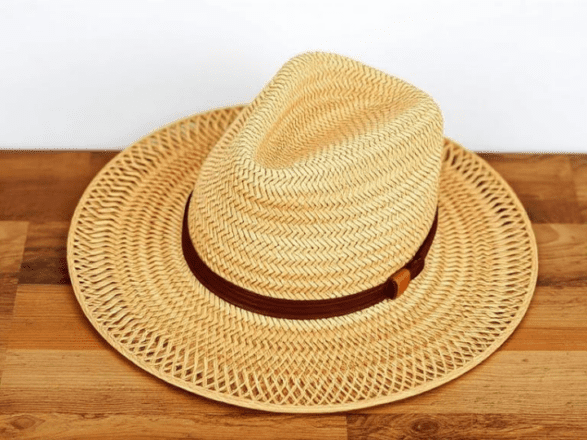
To appreciate the modern X Paja aesthetic, one must understand its roots. Straw weaving is one of the oldest handicrafts in human history, practiced across cultures from the plains of Africa to the coasts of Ecuador.
The Art of the Panama Hat
Perhaps the most iconic straw product is the Panama Hat. Originating from Ecuador (not Panama), this hat is made from the plaited leaves of the toquilla palm. The weaving process is so intricate and labor-intensive that a high-quality “Montecristi” Panama can take months to weave by hand. This level of craftsmanship sets the standard for X Paja products—proving that straw can be a luxury material, rivaling silk or leather in its refinement.
Global Traditions
Beyond hats, different cultures have utilized “paja” for centuries. In Japan, Tatami mats made from rice straw define traditional architecture. In Mexico, colorful straw banners and intricate baskets are staples of daily life. In the Philippines, Buri and Raffia are woven into bags and mats that support entire local economies. The X Paja trend is essentially a globalization of these local traditions, bringing artisanal skills to the international market.
By purchasing X Paja goods, consumers are not just buying a product; they are preserving a heritage. They are providing income to weaving communities in developing nations, ensuring that these ancient skills are not lost to industrialization.
Why X Paja is the Future of Sustainability
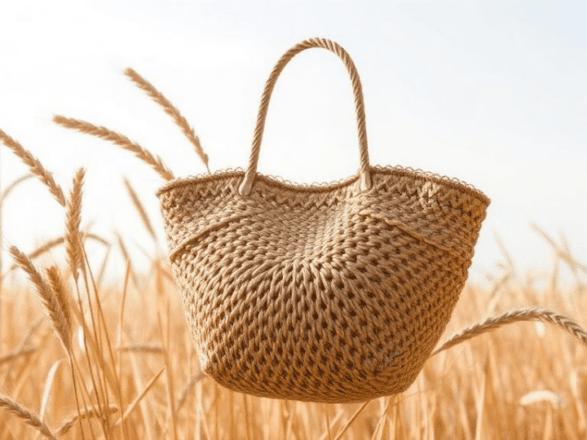
The “X” in X Paja could easily stand for “Ecological.” As the world grapples with a plastic pollution crisis, straw offers a compelling alternative.
1. Biodegradability
The most significant advantage of straw is that it returns to the earth. Unlike synthetic fabrics (polyester, nylon) that shed microplastics into our oceans with every wash, natural straw decomposes completely. When a straw bag or hat reaches the end of its lifecycle, it leaves no toxic legacy. This closed-loop lifecycle is the holy grail of sustainable fashion.
2. Low Carbon Footprint
Processing straw requires minimal energy compared to the production of cotton (which requires immense amounts of water and pesticides) or synthetic materials (which rely on fossil fuels). The processing of Paja involves sun-drying, hand-sorting, and weaving. The carbon footprint of a hand-woven straw tote is a fraction of that of a leather handbag or a plastic carrier.
3. Zero-Waste Utilization
Straw products often utilize agricultural byproducts. For example, wheat straw is the stalk left over after grain harvesting. By turning this “waste” into hats, baskets, and packaging, the X Paja industry promotes a circular economy, ensuring that nothing goes to waste.
Fashion Forward: Styling Your X Paja Collection
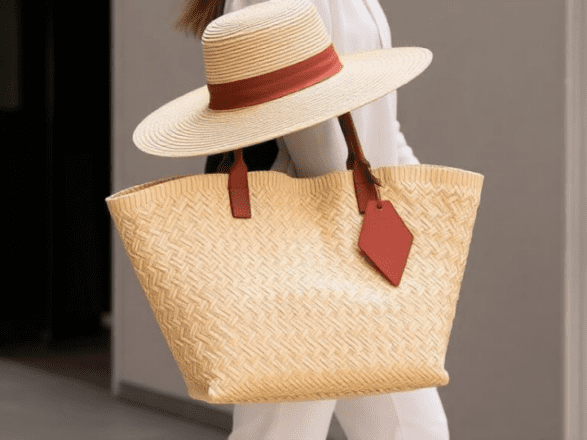
Gone are the days when straw was reserved solely for the beach. The X Paja movement has infiltrated high fashion, with designers treating straw as a premium textile. Here is how to incorporate these pieces into your wardrobe year-round.
The Statement Bag
The straw tote has become a fashion staple. From the classic market basket to structured, leather-trimmed bucket bags, X Paja bags add an earthy texture to any outfit.
- Casual Summer: Pair a loose-weave tote with a linen dress and sandals for a relaxed, Mediterranean vibe.
- Office Chic: Opt for a structured straw clutch or a rigid box bag. The geometric texture adds visual interest to a sharp blazer or a monochrome suit.
- Evening Wear: Designers are now incorporating metallic threads and beadwork into straw bags, making them suitable for evening events.
The Versatility of Straw Hats
The wide-brimmed straw hat is the ultimate accessory for both protection and style.
- The Fedora: A straw fedora adds a touch of bohemian flair to denim shorts and a white tee.
- The Boater: With its flat top and stiff brim, the boater hat is preppy and polished, perfect for garden parties or city strolls.
- Winter Straw: Don’t pack away your straw in winter. A dark, tightly woven straw hat in natural beige or dyed black can look incredibly chic with a wool coat and scarf, adding a contrast of textures.
Footwear and Accessories
The innovation in X Paja extends to shoes. Espadrilles, with their jute or straw soles, are a timeless summer shoe. However, new trends see woven straw detailing on heels and flats, offering breathability and style.
X Paja in Home Decor: Bringing the Outside In
The influence of straw extends well beyond the closet. Interior design trends are heavily leaning into “Japandi” (Japanese-Scandinavian) and Bohemian styles, both of which celebrate natural materials.
Storage Solutions
Functional storage is getting a makeover with X Paja. Woven baskets in varying sizes are perfect for organizing everything from throw blankets in the living room to toys in a nursery. They hide clutter while adding a warm, tactile element to the room. Unlike plastic bins, woven baskets serve as decor pieces in their own right.
Furniture and Lighting
Rattan and cane (cousins of straw) are dominating furniture design. Peacock chairs, woven headboards, and pendant lights made from straw-like fibers create a sense of airiness and relaxation. A straw pendant light casts intricate, dancing shadows across a room, creating an ambiance that artificial materials simply cannot replicate.
Tableware
For the eco-conscious host, disposable plastic plates are out, and reusable palm leaf or straw plates are in. These sturdy, compostable plates are perfect for outdoor entertaining but are elegant enough for indoor dining. They offer a rustic, farmhouse aesthetic that elevates the dining experience.
A Buying Guide: Choosing Quality X Paja Products
Not all straw is created equal. If you are investing in X Paja products, you want to ensure they are high-quality and ethically made. Here is what to look for:
1. Weave Tightness
The tightness of the weave determines the durability and sun protection of the item. A “Cuenca” weave, for example, is looser and more flexible, ideal for casual bags. A “Montecristi” weave is extremely tight and fine, making the hat soft, flexible, and expensive. Hold the item up to the light; fewer gaps mean higher quality.
2. Uniformity
Examine the finish. In a high-quality X Paja product, the ends of the straw should be tucked away neatly, not sticking out to snag on clothing. The shape should be symmetrical. If it is a bag, check the lining and the strength of the handles.
3. The Smell Test
Natural straw has a distinct, earthy scent. A strong chemical smell indicates over-processing or bleaching, which can weaken the fibers. A faint, grassy scent is the mark of a natural product.
4. Ethical Sourcing
Look for Fair Trade certifications. Many straw products are handwoven by women in rural communities. Ethical brands will often tell the story of their artisans and ensure they are paid fair wages. Supporting these brands ensures that your X Paja purchase empowers rather than exploits.
Maintenance: How to Care for Your Straw Items
Straw is a natural fiber, and like leather or wood, it requires care to last. The main enemies of straw are crushing and moisture.
Reshaping
Straw has a memory, but it can be warped. If you are traveling, stuff the crown of your hat or the inside of your bag with acid-free tissue paper or soft clothing to help it hold its shape. If your hat gets bent, you can often steam it gently and reshape it by hand.
Cleaning
Do not wash straw items in a washing machine.
- Surface Dirt: Use a dry brush or a damp cloth to gently wipe away dirt.
- Stains: For tough stains on a light-colored straw, consult a professional cleaner. Attempting to scrub vigorously can fray the fibers.
- Mold: If stored in a damp place, straw can mold. Always store your X Paja items in a cool, dry, well-ventilated area. Silica gel packets can help absorb excess humidity in storage boxes.
Handling Water
While a light rain shower won’t ruin a quality straw hat, heavy downpours can cause the fibers to swell, warp, or stain. If your item gets soaked, let it air dry naturally away from direct heat sources like radiators, which will make the straw brittle.
Conclusion
The X Paja movement is more than just a fleeting trend; it is a return to form. It represents a conscious decision to value the artisanal, the sustainable, and the natural. In a world that feels increasingly artificial, the texture of straw grounds us. It connects us to the farmers who grow the fibers, the artisans who weave them, and the earth that provides them.
From the sophisticated lines of a Panama hat to the rustic charm of a woven basket, straw products offer a unique blend of utility and beauty. By incorporating X Paja into your wardrobe and home, you are not only elevating your style but also casting a vote for a cleaner planet and a fairer global economy. As we look to the future of fashion and design, one thing is clear: the natural, timeless appeal of paja is here to stay.
Frequently Asked Questions (FAQ)
Q: Is X Paja waterproof?
A: No, natural straw is not waterproof. While it can handle light moisture, heavy rain can damage the weave and cause the item to lose its shape. Always dry wet straw items naturally.
Q: How do I know if a straw hat is good quality?
A: High-quality straw hats are determined by the fineness of the weave and the evenness of the color. Look for tight weaves with no visible gaps or breakages in the fiber.
Q: Are straw bags durable?
A: Yes, when treated with care. Straw bags are strong but can snag on sharp objects. Many modern designs feature fabric linings and leather handles to reinforce the structure for daily use.
Q: Can straw products be recycled?
A: Natural straw products are 100% biodegradable, meaning they can be composted at the end of their life. This makes them one of the most environmentally friendly materials available.