
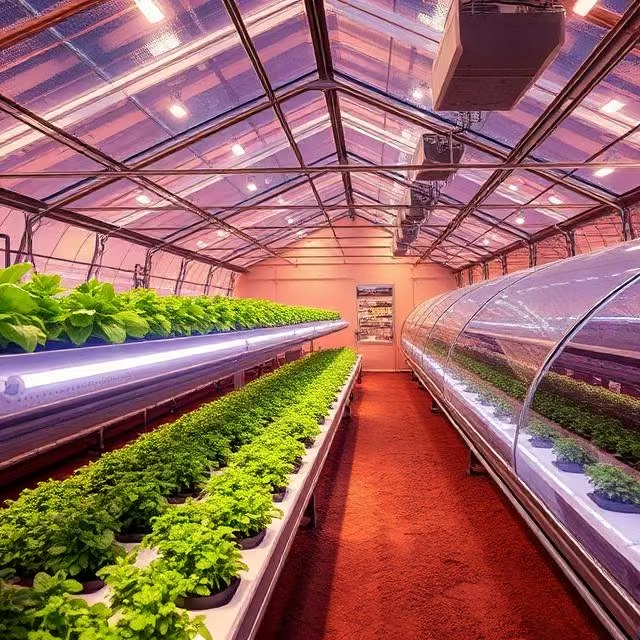
Discover how supermarkets on Mars will operate, from Martian agriculture and hydroponics to self-sustaining food systems for future colonies.
Supermarkets on Mars: Building Food Retail Systems for a Self-Sustaining Red Planet
Establishing a permanent human presence on Mars is no longer limited to science fiction. With rapid progress in space technology, habitat engineering, and in-situ resource utilization (ISRU), the idea of long-term Martian colonies is moving closer to reality. However, survival on Mars requires more than rockets and habitats. Daily life essentials, especially food supply and distribution, must be reimagined from the ground up.
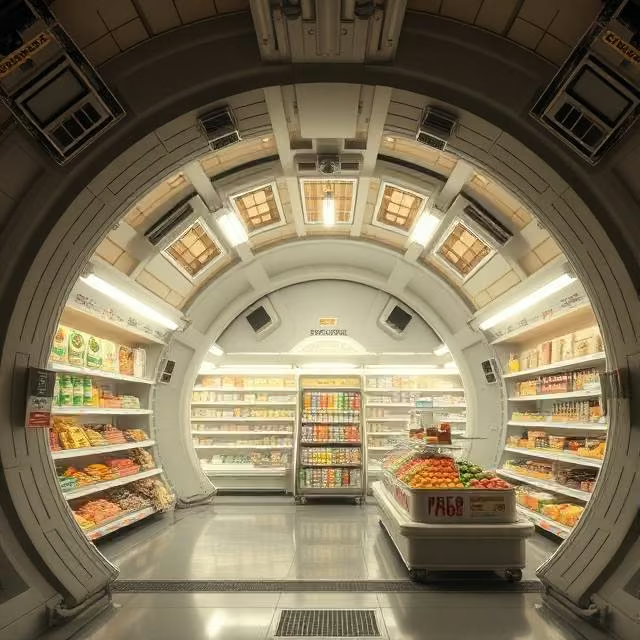
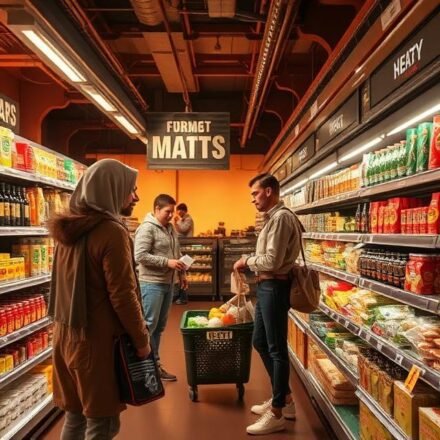
This is where the concept of supermarkets on Mars comes into play. Unlike Earth-based grocery stores, Martian supermarkets—or “supermakeds”—would function as essential resource hubs. They would distribute food, manage supplies, support community interaction, and play a critical role in maintaining health and morale. As Mars colonies transition from Earth dependency to self-sustaining ecosystems, these adapted retail systems will become central to colonist life.
Early Food Systems: From Earth Shipments to Local Production
During the earliest Mars missions, the food supply will rely almost entirely on Earth. Shelf-stable meals, freeze-dried foods, and nutrient-dense rations will be transported in advance to support crews for several years. Planned uncrewed missions between 2026 and 2028 aim to test cargo delivery, storage durability, and environmental exposure.
Robotic missions such as Perseverance have already begun mapping water ice and mineral resources. These discoveries are crucial, as water availability determines the feasibility of Martian agriculture.
The shift from Earth shipments to in-situ food production on Mars will begin with controlled-environment agriculture. Experiments like NASA’s Veggie system on the ISS and Artemis program trials have proven that leafy greens, radishes, tomatoes, and herbs can grow in space-like conditions. On Mars, larger pressurized greenhouses using LED lighting, recycled water, and captured atmospheric CO₂ will enable continuous crop cycles.
In the early stages, food distribution may occur through ration centers or storage modules. Over time, these basic systems will evolve into centralized hubs resembling supermarkets, providing structured access to fresh produce and essential goods.
Martian Agriculture: The Backbone of Supermarket Supply
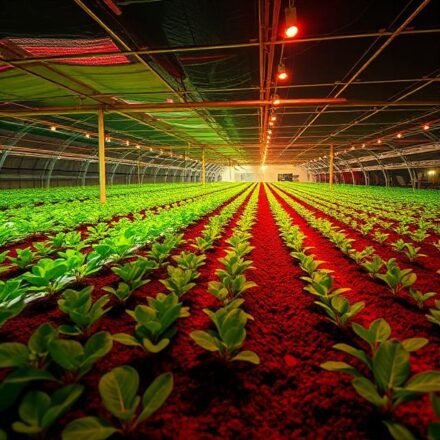
A functional Mars colony supermarket depends entirely on reliable agricultural output. Traditional soil farming is not immediately viable due to toxic perchlorates in Martian regolith. As a result, hydroponics and aeroponics will dominate early farming efforts.
Water extracted from subsurface ice enables closed-loop irrigation systems where every drop is recycled. Regolith, once treated and enriched with organic waste, can later support soil-based crops in controlled domes.
Staple crops are selected for efficiency, nutrition, and adaptability. Potatoes, wheat, soybeans, legumes, and algae provide carbohydrates, proteins, and fats essential for survival. Algae bioreactors are especially valuable due to their rapid growth and minimal space requirements. Insect farming, such as crickets and mealworms, and lab-grown meat further diversify protein sources.
Advances from 2025–2026 include genetically modified plants designed for radiation resistance, faster growth cycles, and higher yields. Many greenhouses will be buried underground or placed inside lava tubes to shield crops from radiation and dust storms.
As colonies expand, agriculture scales accordingly. A settlement of 100 people may require several acres of cultivated space, largely managed by AI systems and robotic farmers to reduce labor and maximize efficiency.
Design of Martian “Supermakeds”: Retail Reimagined
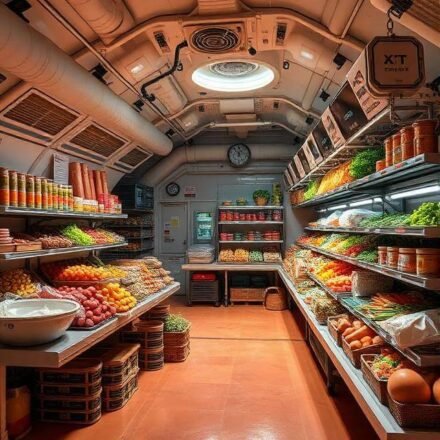
Martian supermarkets will not mirror Earth’s consumer-driven retail model. Instead, Mars habitat markets will prioritize sustainability, fairness, and resource efficiency.
These pressurized facilities will serve multiple functions beyond shopping. Core design features include:
- Central Distribution Systems: Food and supplies are allocated through digital credits linked to work contributions, ensuring equitable access and minimizing waste.
- Fresh Produce Zones: Locally grown vegetables, fruits, and herbs are displayed under optimized LED lighting to simulate Earth-like conditions.
- Processed Food Sections: Items produced through 3D food printing, algae protein processing, fermentation, and preservation techniques.
- Fabrication and Repair Areas: Tools, clothing, and household items created or repaired using recycled materials and on-site manufacturing.
- Community and Social Spaces: Areas for interaction, education, and shared meals that support mental well-being and social cohesion.
Inventory is managed by AI systems that monitor consumption patterns, predict shortages, and suggest balanced diets. Robotic handling reduces contamination risk and labor demands.
Challenges in Martian Food Retail Systems
Operating supermarkets on Mars presents challenges unknown on Earth:
- Resource Scarcity: Every calorie, liter of water, and watt of energy must be accounted for. Overproduction leads to waste, while shortages threaten survival.
- Energy Consumption: Lighting, temperature control, and life support systems require stable power sources. Nuclear reactors and expansive solar arrays, backed by energy storage systems, are essential.
- Psychological Health: Repetitive diets can lower morale and productivity. Introducing variety through new crops, flavors, and food textures helps combat menu fatigue.
- Environmental Risks: Dust storms can disrupt solar power and greenhouse operations for extended periods. Redundant systems and predictive AI models help manage these risks.
Economic and Social Models of Martian Supermarkets
In early settlements, food distribution will likely follow a centralized planning model. Colonists earn credits through assigned roles, which they use to access goods. This ensures fairness and survival during resource-limited phases.
As populations grow into the hundreds or thousands, more flexible systems may emerge. Barter, tiered credit systems, or even limited currency could develop for non-essential or luxury items.
Beyond economics, supermarkets become social anchors. They are places where colonists exchange news, attend events, and maintain a sense of normalcy. In an isolated environment, these hubs are vital for mental resilience.
The Future of Supermarkets on Mars
As technology advances and local production increases, Martian supermarkets will evolve. Greater automation, expanded crop diversity, and improved manufacturing could lead to abundance rather than scarcity.
In the distant future, with partial terraforming or advanced habitats, Mars supermarkets may begin to resemble those on Earth, complete with imported goods and personal choice. Until then, they will stand as symbols of adaptation, innovation, and human cooperation.
By 2026, as uncrewed missions test ISRU systems and infrastructure, the foundation for self-sustaining Mars bases is already being laid. Supermarkets on Mars will not just feed colonists—they will represent humanity’s ability to transform a barren planet into a livable world.
FAQs
Q1: Will supermarkets really exist on Mars?
Yes. Martian supermarkets will serve as controlled distribution hubs where food and essentials produced locally are allocated efficiently to colonists.
Q2: How will food be produced for Mars supermarkets?
Food will come from hydroponics, aeroponics, algae bioreactors, insect farming, and lab-grown meat. Water from subsurface ice and recycling will support crop growth.
Q3: What kind of food will be available on Mars?
Leafy greens, potatoes, wheat, algae-based proteins, and processed foods from 3D printing and fermentation will be common. Variety will expand as colonies grow.
Q4: How will Mars supermarkets handle limited resources?
AI-managed inventory, work-based credit systems, and strict recycling methods will ensure efficient, fair distribution.
Q5: Why are supermarkets important for Mars colonies?
They support nutrition, mental health, social interaction, and community cohesion, which are critical for survival in isolation.