
Explore popcorn fabric in 2026—bumpy textured knits, weaves & crinkle shirts. Learn how it’s made, best uses (fashion, upholstery, swimwear), care tips, benefits, and top sources for buying by the yard.
Popcorn Fabric: The Ultimate 2026 Guide to Textured, Bumpy, and Crinkled Materials
Popcorn fabric refers to any textile with a distinctive bumpy, raised, or puckered surface texture that resembles popped popcorn kernels. This eye-catching 3D effect makes it popular in fashion, upholstery, swimwear, home decor, and DIY projects. While “popcorn fabric” isn’t a single material, it refers to a family of textured fabrics made through weaving, knitting, heat-setting, or printing techniques.
In recent years (2025–2026), popcorn fabric has seen renewed interest thanks to retro ’90s fashion revivals, sustainable textile innovations, and its versatility in athleisure, activewear, and statement home pieces. Whether you’re a sewer hunting for yardage, a designer seeking durable upholstery, or curious about that crinkly shirt trend, this in-depth guide covers everything.
1. What Is Popcorn Fabric?
Popcorn fabric is defined by its signature raised bumps or puckers on the surface, creating a tactile, three-dimensional look. The name comes from the visual similarity to popcorn kernels—small, irregular, rounded protrusions.
Key characteristics:
- Textured and dimensional (not flat/smooth)
- Often soft and tactile
- Can be stretchy or structured, depending on the base material
- Available in solids, patterns, or prints
It’s also called:
- Popcorn knit
- Popcorn weave
- Crinkle fabric (especially in ’90s-style shirts)
- Bouclé or looped textures (in upholstery versions)
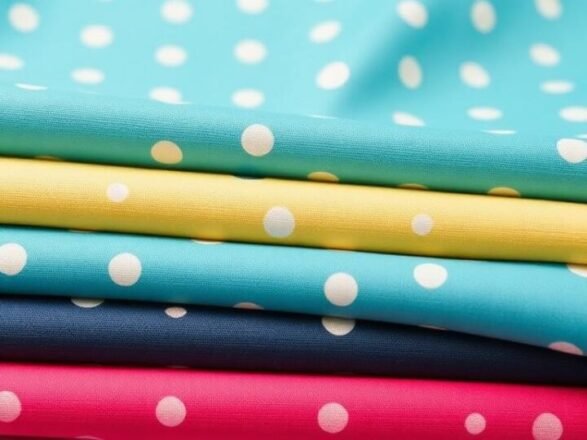
Unlike printed “popcorn pattern” fabrics (e.g., cartoon popcorn motifs on cotton), true popcorn fabric gets its effect from physical texture, not just print.
2. Types of Popcorn Fabric
Popcorn fabric comes in several varieties based on construction and material:
- Knit Popcorn (Most Common for Clothing): Polyester-spandex jacquard knits with looped/raised stitches. Super stretchy (4-way), soft, with excellent recovery. Ideal for swimwear, activewear, leggings, and dresses.
- Crinkle/Heat-Manipulated Popcorn: Achieved by gathering fabric, stitching, and applying heat (e.g., 3D shibori technique). Creates permanent puckers. Popular in the ’90s “popcorn shirts” that shrink and crinkle dramatically.
- Woven Popcorn: Uses special yarns (looped/cut) in weaving to form bumps. Often heavier, used in upholstery or structured garments.
- Bouclé-Style Popcorn: Looped yarns create a nubby texture. Common in modern upholstery (e.g., Richloom Popcorn series).
- Printed Popcorn Look: Sheer chiffon or cotton with visual “popcorn” patterns (no real texture). More decorative than tactile.
3. How Is Popcorn Fabric Made?
Manufacturing varies by type:
- Jacquard Knit Popcorn — Woven on jacquard looms with raised loops in polyester-spandex blends. The “popcorn” effect comes from stitch patterns that push yarns outward.
- 3D Shibori/Heat Technique — Fabric is stitched into gathers, then boiled or heat-set (often with polyester for permanence). Shrinks and puckers when released. DIY-friendly for custom crinkle effects.
- Textured Weaving — Specialty yarns are looped during weaving, then cut or brushed to form bumps.
- Chenille or Bouclé — Extra yarns create loops/nubs for a popcorn-like feel.
Modern versions often use recycled polyester for sustainability.
4. Benefits of Popcorn Fabric
- Visual Interest — Adds depth and personality to plain outfits or furniture.
- Comfort — Many types are soft, breathable (airy puckers allow airflow), and stretchy.
- Durability — High recovery in spandex blends; resists wrinkling in crinkle styles.
- Hides Imperfections — Bumpy texture camouflages stains, wear, or body flaws.
- Versatile — Works for casual to statement pieces; great for summer (breathable) despite the thick look.
- Trendy Yet Timeless — ’90s revival + modern minimalism keep it relevant in 2026.
5. Common Uses for Popcorn Fabric
- Fashion & Apparel — Swimwear, athleisure, dresses, tops, kurtis (puff sleeves), ’90s-inspired crinkle shirts.
- Upholstery — Chairs, sofas, ottomans, pillows (e.g., Richloom Popcorn in neutrals like natural, eucalyptus, sea salted).
- Home Decor — Curtains, throws, cushions, wall panels.
- Accessories — Bags, headbands, scarves.
- DIY Projects — Custom shirts, quilts, costumes.
6. Popcorn Fabric in Fashion Trends (2026 Update)
The ’90s popcorn shirt is back—crinkled, oversized, often in brights or pastels. Paired with high-waisted jeans or layered over tanks. In summer 2026, lightweight versions stay cool thanks to airflow between bumps. Activewear uses stretch jacquard popcorn for gym-to-street looks.
7. Care Instructions for Popcorn Fabric
Varies by type, but general tips:
- Machine wash cold, gentle cycle.
- Air dry or low-heat tumble (avoid high heat to preserve texture).
- For heat-set crinkles: No ironing (ruins effect); steam lightly if needed.
- Upholstery versions: Spot clean or professional cleaning; many are stain-resistant.
- Check labels—poly blends are forgiving; cotton may shrink.
8. Where to Buy Popcorn Fabric in 2026
- Online Retailers — Amazon, Etsy (custom/handmade), Spoonflower (printed patterns), Blue Moon Fabrics (stretch jacquard).
- Specialty Sites — Pallas Textiles (contract-grade upholstery), Richloom (bouclé popcorn solids), Michaels (swim/dance).
- Fabric Stores — Fabric Depot (printed chiffon), Sewing Parts Online (cotton prints).
- Yardage Prices — $10–$30/yard depending on quality (stretch knits higher).
9. Pros and Cons
Pros:
- Unique texture
- Comfortable and forgiving
- Trend-forward
- Good drape in lighter weights
Cons:
- Can pill or snag if low-quality
- Harder to sew (bumps shift under the needle)
- Not ideal for precise tailoring
- Some versions retain heat if thick
10. Popcorn Fabric vs. Similar Textures
- Vs. Bouclé → Popcorn often bumpier; bouclé more looped/nubby.
- Vs. Seersucker → Both puckered, but seersucker striped/regular; popcorn irregular.
- Vs. Crinkle Gauze → Similar crinkle, but gauze is lighter/sheer.
11. DIY Popcorn Fabric Projects
Try heat-shibori: Gather a thrift-store polyester shirt, stitch patterns, boil/heat-set for a custom crinkle top.
12. FAQs About Popcorn Fabric
Q: Is popcorn fabric breathable?
A: Yes—puckers create air pockets for airflow, great for summer.
Q: Why was it so popular in the ’90s?
A: Bold texture fits grunge/retro trends; easy to DIY.
Q: Can you iron popcorn fabric?
A: Usually no—flattens texture. Use steam sparingly.
Q: Is it good for upholstery?
A: Yes—durable versions like Richloom hide wear well.
Q: What’s the difference between popcorn knit and printed popcorn?
A: Knit has real 3D bumps; printed is flat visual design.
Q: Is popcorn fabric stretchy?
A: Many (spandex blends) are highly stretchy; woven versions are less so.
13. Conclusion
Popcorn fabric brings fun, tactile energy to textiles in 2026. From stretchy swim knits to cozy upholstery and nostalgic crinkle shirts, its bumpy charm endures. Whether you’re sewing a statement piece or reupholstering a chair, this textured wonder adds personality without sacrificing comfort.