

Discover expert-backed parenting guidance covering child development, discipline, emotional health, and modern parenting challenges. Trusted, practical, and human.
Parenting: A Complete Guide to Raising Confident, Healthy, and Happy Children
Parenting is one of the most meaningful responsibilities in life. It shapes a child’s emotional health, confidence, behavior, and future relationships. While parenting styles and challenges evolve over time, the core goal remains the same: to raise children who feel loved, secure, and capable.
This comprehensive guide explores parenting from a real-life, psychology-backed, and experience-driven perspective—covering values, discipline, emotional development, and modern challenges.
What Is Parenting?
Parenting is the process of nurturing, guiding, protecting, and supporting a child’s physical, emotional, social, and intellectual development from infancy to adulthood.
Good parenting involves:
- Emotional connection
- Guidance and boundaries
- Teaching values and responsibility
- Supporting independence
Parenting is not about perfection—it’s about presence, consistency, and care.
Why Parenting Matters More Than Ever
Modern parenting faces new challenges:
- Increased screen time
- Mental health concerns
- Social media influence
- Academic and social pressure
Strong parenting helps children:
- Develop emotional intelligence
- Build self-confidence
- Form healthy relationships
- Handle stress and failure
Research consistently shows that supportive parenting positively impacts a child’s lifelong well-being.

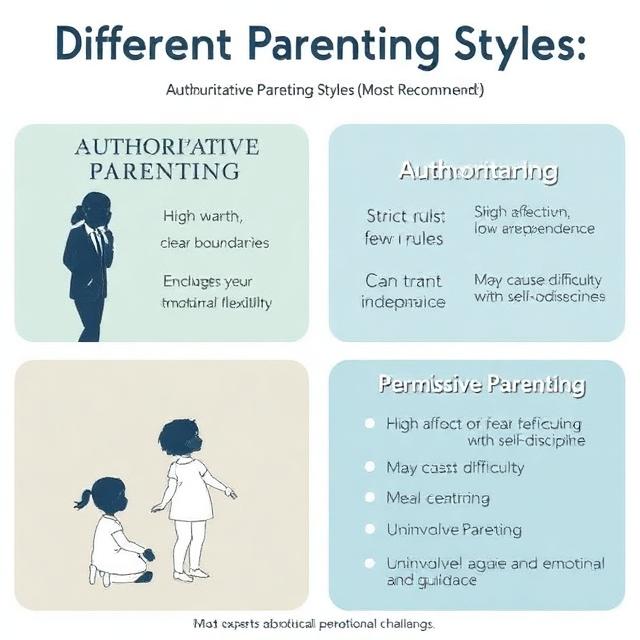
Different Parenting Styles Explained
Authoritative Parenting (Most Recommended)
- High warmth, clear boundaries
- Encourages independence
- Builds trust and confidence
Authoritarian Parenting
- Strict rules, low emotional flexibility
- Can lead to fear-based obedience
Permissive Parenting
- High affection, few rules
- May cause difficulty with self-discipline
Uninvolved Parenting
- Low engagement and guidance
- Often linked to emotional challenges
Most experts agree that balanced, authoritative parenting produces the healthiest outcomes.
Core Principles of Effective Parenting
Emotional Safety Comes First
Children thrive when they feel safe expressing emotions without fear of punishment or shame.
Consistency Builds Trust
Predictable rules and responses help children feel secure.
Communication Is Key
Listening without judgment strengthens parent-child relationships.
Parents Are Role Models
Children learn values, behavior, and emotional regulation by observing parents.
Parenting Through Different Stages of Childhood
Parenting Infants
- Responding to needs builds attachment
- Comfort creates emotional security
Parenting Toddlers
- Routines reduce tantrums
- Redirection works better than punishment
Parenting School-Age Children
- Encourage responsibility
- Support learning and curiosity
Parenting Teenagers
- Respect growing independence
- Maintain open, honest communication
Each stage requires flexibility and understanding.

Positive Discipline in Parenting
Discipline should teach, not harm.
Effective discipline includes:
- Clear expectations
- Natural consequences
- Calm communication
- Emotional validation
Punishment without explanation may stop behavior temporarily, but teaching builds long-term understanding.
Parenting and Emotional Intelligence 🧠
Emotionally intelligent parenting helps children:
- Understand their feelings
- Manage stress
- Develop empathy
- Build resilience
Parents can support this by:
- Naming emotions
- Validating feelings
- Modeling calm responses
Parenting in the Digital Age
Managing Screen Time
Balanced technology use supports development without replacing real-world interaction.
Teaching Online Safety
Parents should discuss privacy, cyberbullying, and responsible digital behavior early.
Being a Digital Role Model
Children mirror how parents use phones and social media.
Common Parenting Challenges
- Tantrums and defiance
- Academic pressure
- Sibling rivalry
- Emotional outbursts
- Parent burnout
These challenges are normal and manageable with patience and support.
Parenting and Self-Care
Healthy parenting starts with healthy parents.
Key Self-Care Reminders:
- Rest is not selfish
- Asking for help is strength
- Mental health matters
Parents who care for themselves are better equipped to care for their children.
Parenting Myths to Let Go Of
- “Good parents never make mistakes”
- “Strict parenting equals success”
- “Children should always obey”
- “Comparing kids motivates them”
Real parenting is flexible, compassionate, and growth-focused.
Evidence-Based Parenting Practices (E-E-A-T)
Research-backed parenting practices include:
- Positive reinforcement
- Consistent routines
- Emotional responsiveness
- Respectful communication
These approaches are supported by child psychology and developmental science.
Final Thoughts
Parenting is not about raising perfect children—it’s about raising emotionally secure, confident, and kind human beings. Every parent learns through trial, error, love, and patience.
When parenting is rooted in empathy, consistency, and connection, children grow into adults who feel capable, valued, and understood.