

Introduction
Why do people make risky choices even when the odds are against them? Psychologists and neuroscientists have long been fascinated by this question. To answer it, researchers developed an experimental tool known as the Iowa Gambling Task (IGT).
The Iowa Gambling Task is not just a simple card game—it is a scientific method designed to study decision-making, risk-taking, and impulse control. It has been used in hundreds of studies on gambling behavior, brain function, and mental health. In this article, we’ll explore everything you need to know about the IGT, how it works, and what it reveals about human psychology.
What is the Iowa Gambling Task?
The Iowa Gambling Task is a psychological experiment that simulates real-life decision-making. Participants are asked to select cards from different decks, each with varying rewards and penalties.
The purpose is to measure:
- How people balance immediate rewards versus long-term losses.
- How the brain processes risk and uncertainty.
- Differences between healthy decision-making and impaired judgment.

History and Development of IGT
The task was created in the 1990s by neuroscientist Antonio Damasio and his colleagues at the University of Iowa.
They observed that patients with damage to the ventromedial prefrontal cortex made poor decisions in everyday life, even though their IQ and memory seemed normal. To test this systematically, they invented the Iowa Gambling Task as a way to simulate risky decision-making in a lab setting.
How the Iowa Gambling Task Works
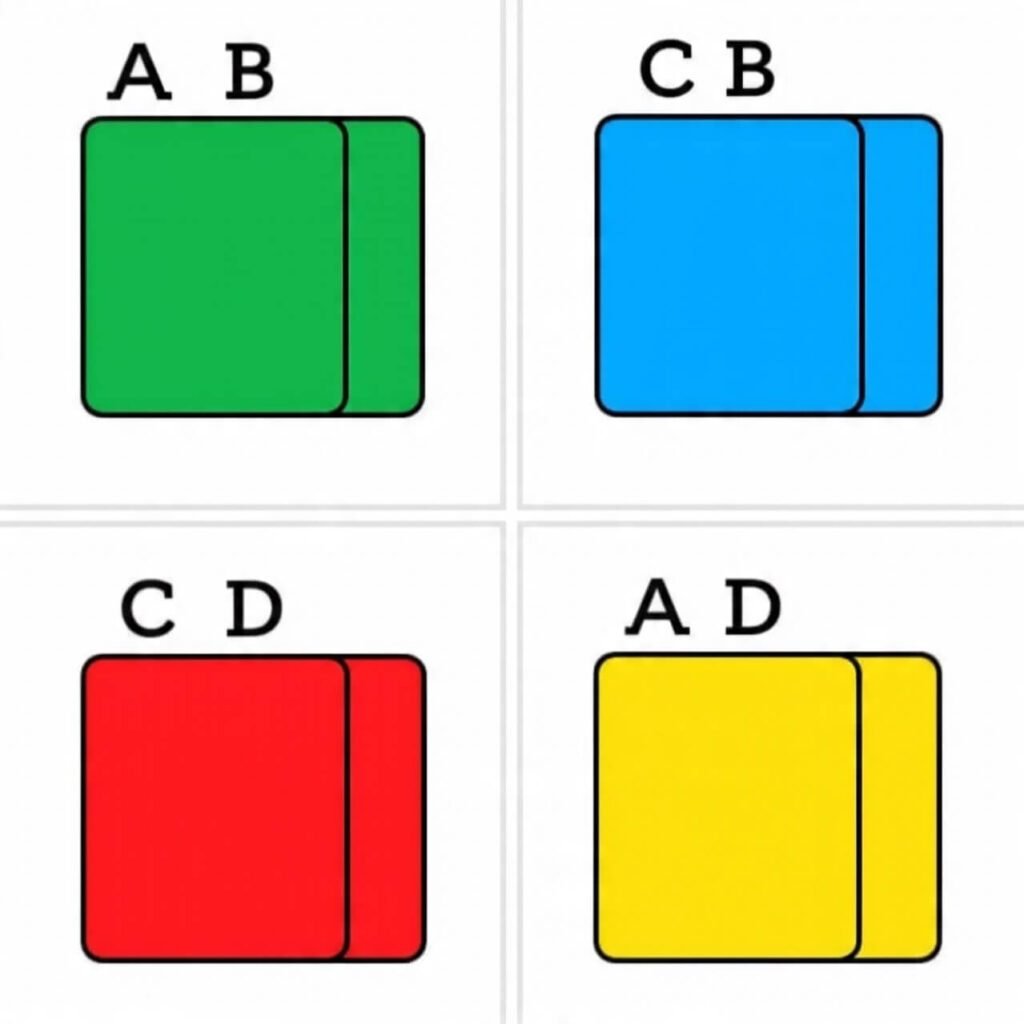
- Players are given four decks of cards (labeled A, B, C, and D).
- Each card choice results in either a reward (winning money) or a penalty (losing money).
- Some decks give high immediate rewards but larger long-term losses (bad decks).
- Other decks give smaller rewards but lead to long-term gains (good decks).
Over time, healthy participants learn to avoid the risky decks and stick with the advantageous ones.
What the Test Measures
The Iowa Gambling Task is widely used because it measures multiple aspects of decision-making, including:
- Risk evaluation – choosing between safe and risky options.
- Impulse control – resisting the temptation of immediate rewards.
- Long-term strategy – adapting behavior for future gains.
- Emotional learning – using feelings (“gut instincts”) to guide choices.
Key Findings from Research
Decades of studies using the IGT have shown that:
- People with brain damage in certain areas (like the prefrontal cortex) fail to learn from negative outcomes.
- Individuals with gambling addiction often perform poorly on the task, preferring risky decks.
- The test reveals gender, cultural, and age differences in risk-taking.
- Stress and fatigue can impair performance on the IGT.
Applications in Psychology and Neuroscience
The Iowa Gambling Task is used in research across many fields:
- Clinical psychology → diagnosing addiction, impulsivity, and decision-making disorders.
- Neuroscience → studying brain function related to rewards and punishment.
- Economics & behavioral science → understanding why people make irrational financial decisions.
- Education & training → teaching strategies for better risk management.
The Iowa Gambling Task and Gambling Addiction
Because the IGT mimics real gambling, it is particularly useful in studying gambling behavior. Researchers have found that problem gamblers often:
- Keep choosing from “bad decks” despite repeated losses.
- Show reduced sensitivity to long-term outcomes.
- Experience strong emotional responses to immediate wins.
This has made the IGT a valuable tool in gambling addiction treatment research.

Criticisms and Limitations
While the Iowa Gambling Task is widely respected, it is not perfect. Common criticisms include:
- Complexity → Results can be influenced by memory, attention, and math ability.
- Cultural differences → People from different cultures may interpret rewards and risks differently.
- Reproducibility issues → Some studies have failed to replicate original findings.
- Not a perfect real-life simulation → Gambling in real casinos involves far more variables.
Online Versions of the Iowa Gambling Task
Today, digital versions of the IGT exist for research and education. Many universities and psychology labs use the computerized Iowa Gambling Task software.
⚠️ Important: Online versions should not be confused with real gambling sites. The IGT is a scientific test, not a casino game.
Conclusion
The Iowa Gambling Task remains one of the most important tools in psychology and neuroscience for studying decision-making. By mimicking real-life risk situations, it helps researchers understand why people sometimes make irrational choices—and how brain function, addiction, and emotions all play a role.
For gamblers, it also highlights a key lesson: short-term wins can feel good, but long-term strategy always wins in the end.
FAQs
1. What is the purpose of the Iowa Gambling Task?
To study decision-making, risk-taking, and impulse control.
2. Who developed the Iowa Gambling Task?
It was created by neuroscientist Antonio Damasio and his colleagues at the University of Iowa in the 1990s.
3. What does the Iowa Gambling Task reveal about gamblers?
Problem gamblers often prefer risky choices and fail to learn from negative outcomes.
4. Can I play the Iowa Gambling Task online?
Yes, but only as part of research or psychology experiments. It is not a real gambling game.