

Learn how to make authentic golumpkis (Polish stuffed cabbage rolls) with this comprehensive guide. Includes step-by-step instructions, filling variations, sauce recipes, and expert tips for perfect results.
Golumpkis, also known as golabki (pronounced goh-WOMP-kee or goh-WOMB-kee), are traditional Polish stuffed cabbage rolls that have become beloved comfort food across Eastern Europe and in Polish-American communities. These tender cabbage leaves wrapped around a savory filling of seasoned meat and rice, then simmered in tomato sauce, represent the essence of home cooking—humble ingredients transformed into something deeply satisfying and nourishing. Whether you grew up eating your grandmother’s golumpkis or are discovering this dish for the first time, this comprehensive guide will teach you everything you need to create authentic, delicious cabbage rolls in your own kitchen.
What Are Golumpkis?
Golumpkis are cabbage leaves stuffed with a mixture of ground meat (traditionally pork or a combination of pork and beef), rice, onions, and seasonings, then rolled into neat packages and cooked in tomato sauce. The dish is a staple of Polish cuisine, though variations exist throughout Eastern Europe under different names—halupki in Ukrainian, töltött káposzta in Hungarian, and sarmale in Romanian.
The name “golabki” literally translates to “little pigeons” in Polish, though the etymology is debated. Some suggest the rolled cabbage bundles resemble plump birds, while others believe the name references an older dish made with actual pigeon meat. Regardless of its origins, golumpkis have become a cornerstone of Polish-American cuisine, particularly in communities with strong Polish heritage like Chicago, Pittsburgh, and Buffalo.
The dish represents peasant cooking at its finest—taking inexpensive, readily available ingredients and transforming them through time, care, and traditional technique into something greater than the sum of its parts. A pot of golumpkis simmering on the stove fills the house with an irresistible aroma that signals comfort, tradition, and the kind of meal that brings families together around the table.
Essential Ingredients
For the Cabbage Rolls
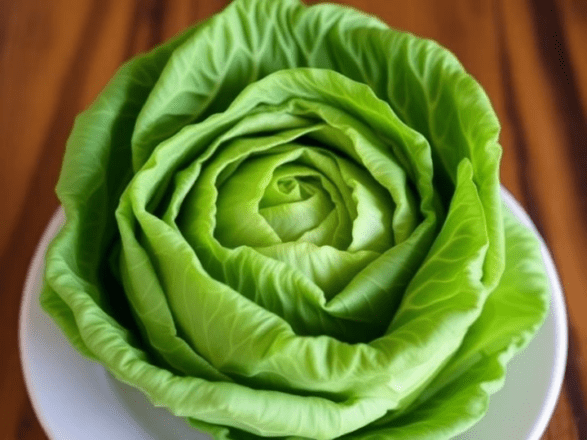
Cabbage: One large head of green cabbage (3-4 pounds). Look for heads with looser, more pliable leaves rather than tightly packed ones, which are harder to separate. Savoy cabbage works beautifully due to its naturally tender, wrinkled leaves, though standard green cabbage is traditional and more readily available.
Ground Meat: 1.5 to 2 pounds total. Traditional recipes use ground pork for its flavor and fat content, though many cooks prefer a combination of pork and beef (typically equal parts or two-thirds beef to one-third pork). Ground turkey or chicken can substitute for a leaner version, though the flavor will be milder.
Rice: 1 cup of uncooked white rice. Long-grain white rice is traditional, though some cooks use converted (parboiled) rice for a firmer texture. The rice should be partially cooked before mixing with the meat—it will finish cooking inside the cabbage rolls. Some recipes use raw rice, but par-cooking prevents undercooked rice in the finished dish.
Onions: 1-2 large onions, finely diced. Onions add sweetness and moisture to the filling. They should be sautéed before adding to the meat mixture for the best flavor and texture.
Eggs: 1-2 large eggs act as a binder, helping the filling hold together during rolling and cooking.
Seasonings: Salt, black pepper, garlic (fresh minced or powder), and sometimes paprika, marjoram, or allspice. Traditional Polish seasoning is fairly simple, allowing the natural flavors of the meat and cabbage to shine.
For the Sauce
Tomato Base: Use either 28-ounce cans of crushed tomatoes, tomato sauce, or a combination. Some recipes incorporate tomato paste for a deeper, more concentrated flavor. Traditional versions might use fresh tomatoes when in season.
Sauerkraut Juice or Lemon Juice: A tablespoon or two adds pleasant acidity that balances the richness of the meat and sweetness of the tomatoes. This is a traditional Polish touch that brightens the overall flavor.
Sweetener: 1-2 tablespoons of sugar or honey balances the acidity of the tomatoes. The amount varies based on personal preference—some families prefer sweeter sauce while others like it more savory.
Additional Flavorings: Bay leaves, dried marjoram or thyme, additional garlic, and sometimes a splash of red wine add depth to the sauce.
Step-by-Step Instructions
Preparing the Cabbage
Step 1: Core the Cabbage
Using a sharp knife, cut around the core at the base of the cabbage head, creating a cone-shaped cut that removes the core while keeping the head intact. This allows you to separate the leaves more easily.
Step 2: Soften the Leaves
There are three common methods for softening cabbage leaves:
Boiling Method (Most Common): Bring a large pot of salted water to a boil. Carefully lower the entire cabbage head into the boiling water. As the outer leaves soften (after about 2-3 minutes), use tongs to carefully peel them away from the head. Continue this process, removing leaves as they become pliable, until you’ve removed 12-16 large leaves.
Freezing Method (Easiest): Place the entire cabbage head in the freezer for 24-48 hours, then thaw completely at room temperature or in the refrigerator. Freezing breaks down the cell structure, making the leaves incredibly pliable without boiling. This method also produces sweeter, more tender cabbage.
Microwave Method (Fastest): Remove the core and place the whole cabbage in a microwave-safe bowl with about an inch of water. Microwave on high for 3-4 minutes, then carefully remove leaves as they soften. Repeat until you have enough pliable leaves.
Step 3: Trim the Thick Ribs
Once leaves are softened and cooled enough to handle, lay each leaf flat on a cutting board. Using a sharp knife, carefully shave down the thick central rib to the same thickness as the rest of the leaf. This makes the leaves easier to roll without breaking. Don’t remove the rib entirely—just thin it down.
Making the Filling
Step 1: Cook the Rice
Bring 2 cups of water to a boil with a pinch of salt. Add 1 cup of rice, reduce the heat to low, cover, and simmer for about 10 minutes (rice should be partially cooked but still firm). Drain any excess water and let the rice cool slightly.
Step 2: Sauté the Onions
Heat 2 tablespoons of butter or oil in a skillet over medium heat. Add finely diced onions and cook for 8-10 minutes until softened and lightly golden. This develops sweetness and ensures the onions won’t be crunchy in the finished filling. Let cool slightly.
Step 3: Combine the Filling
In a large bowl, combine the ground meat, partially cooked rice, sautéed onions, eggs, minced garlic (2-3 cloves), salt (about 1.5 teaspoons), black pepper (1/2 teaspoon), and any additional seasonings you’re using. Mix thoroughly with your hands until everything is evenly distributed. The mixture should hold together when pressed but not be overly compacted.
Step 4: Test the Seasoning
To check if the filling is properly seasoned, take a small portion and cook it in a skillet until done. Taste and adjust the seasoning in the remaining mixture as needed. This step prevents discovering underseasoned filling after you’ve already rolled all the cabbage leaves.
Rolling the Golumpkis
Step 1: Prepare Your Workspace
Have your cabbage leaves, filling, and a baking dish or large pot ready. You’ll also want a small bowl of water to keep your hands moist, which prevents sticking.
Step 2: Fill the Leaves
Place a cabbage leaf on your work surface with the stem end closest to you. Put about 1/4 to 1/3 cup of filling (depending on leaf size) in the center-lower third of the leaf. The amount should be substantial, but leave enough leaf to fold over and secure the filling.
Step 3: Roll Tightly
Fold the stem end over the filling, then fold in both sides toward the center, creating an envelope. Roll away from you, tucking as you go, to create a neat, tight package. The roll should be snug enough to hold together but not so tight that it bursts during cooking.
Step 4: Arrange in the Cooking Vessel
Place each rolled golumpki seam-side down in your baking dish or pot. Pack them fairly snugly—they should fit close together but not be crushed. Snug packing helps them hold their shape during cooking.
Making the Sauce and Cooking
Step 1: Prepare the Sauce
In a bowl, combine crushed tomatoes or tomato sauce (about 28-32 ounces total), 1-2 tablespoons of lemon juice or sauerkraut juice, 1-2 tablespoons of sugar, salt and pepper to taste, and any herbs or seasonings you’re using. Some cooks add a splash of water or broth to thin the sauce slightly.
Step 2: Cover the Rolls
Pour the sauce over the golumpkis, making sure they’re mostly covered. If you need more liquid, add water or broth. The rolls should be at least two-thirds submerged in sauce.
Step 3: Choose Your Cooking Method
Stovetop Method: Bring to a gentle simmer over medium heat, then reduce to low. Cover and simmer gently for 1.5 to 2 hours, checking occasionally and adding liquid if needed.
Oven Method: Cover tightly with foil or a lid and bake at 350°F for 1.5 to 2 hours. This method provides more even, gentle heat and requires less monitoring.
Slow Cooker Method: Arrange rolls in the slow cooker, pour sauce over, and cook on low for 6-8 hours or high for 3-4 hours. This is the most hands-off approach and produces incredibly tender results.
Step 4: Check for Doneness
Golumpkis are done when the cabbage is very tender, the meat is fully cooked through (no pink remaining), and the rice is soft. Insert a knife into the center of a roll—it should slide through easily with no resistance.
Step 5: Rest Before Serving
Let the golumpkis rest for 10-15 minutes after cooking. This allows the flavors to settle and makes them easier to serve without falling apart.
Traditional Serving Suggestions
Golumpkis are typically served with a generous spoonful of the cooking sauce ladled over top. Traditional accompaniments include:
Mashed Potatoes: The classic pairing, perfect for soaking up extra sauce. Make them creamy and buttery for the ultimate comfort food combination.
Crusty Rye Bread: Polish rye bread (particularly with caraway seeds) is traditional for mopping up sauce.
Sour Cream: A dollop of sour cream adds tangy richness that complements the tomato sauce beautifully.
Pickled Vegetables: Polish-style pickles (ogórki kiszone) or pickled beets provide an acidic contrast to the rich, hearty rolls.
Simple Side Salad: A light cucumber salad or simple green salad with vinegar dressing cuts through the richness.
Variations and Regional Differences
Filling Variations
Mushroom and Barley (Vegetarian): Replace meat with sautéed mushrooms and cooked barley for a traditional meatless version often served during Lent.
All-Beef Filling: Some families prefer 100% ground beef for a heartier, more robust flavor.
Pork and Veal: A more refined combination that produces tender, delicate filling.
Rice-Free Version: Some traditional recipes use only meat with breadcrumbs and eggs, creating an all-meat filling.
Sauerkraut Addition: Mixing chopped sauerkraut into the filling adds tangy flavor and keeps the filling moist.
Sauce Variations
Sweet-and-Sour Sauce: Increase sugar and vinegar/lemon juice for a more pronounced sweet-sour balance.
Mushroom-Tomato Sauce: Add sautéed mushrooms to the tomato sauce for earthier, more complex flavor.
Sauerkraut-Tomato Sauce: Layer sauerkraut under and around the golumpkis before adding tomato sauce, creating a tangy, complex cooking liquid.
Creamy Tomato Sauce: Stir in sour cream or heavy cream during the last 15 minutes of cooking for a richer, creamier sauce.
Clear Broth Version: Some Eastern European variations skip tomato sauce entirely, cooking the rolls in seasoned broth or sauerkraut liquid.
Make-Ahead and Freezing Instructions
Golumpkis are excellent make-ahead dishes and freeze beautifully, making them perfect for batch cooking and meal prep.
Refrigerating Unbaked Rolls: Assemble the golumpkis completely, place in a baking dish, cover tightly, and refrigerate for up to 24 hours before cooking. This actually improves flavor as the filling marinates.
Freezing Unbaked Rolls: Arrange rolled golumpkis on a baking sheet and freeze until solid (about 2-3 hours). Transfer to freezer bags and freeze for up to 3 months. To cook, place frozen rolls in a baking dish, add sauce, and increase cooking time by about 30 minutes.
Freezing Cooked Rolls: Cool completely, then freeze in the cooking sauce in airtight containers for up to 3 months. Thaw in the refrigerator overnight and reheat gently on the stovetop or in the oven.
Reheating: Reheat golumpkis gently in their sauce on the stovetop over low heat or in a 325°F oven until heated through. Add a little water or broth if the sauce has thickened too much.
Common Problems and Solutions
Problem: Cabbage leaves tear when rolling. Solution: Ensure leaves are sufficiently softened before rolling. The freezing method produces the most pliable leaves. If a leaf tears, patch it with a piece from another leaf or wrap it in a second leaf.
Problem: Rolls fall apart during cooking. Solution: Pack them snugly in the cooking vessel so they support each other. Make sure you’ve folded and tucked properly when rolling. Using eggs in the filling helps bind everything together.
Problem: Rice is undercooked in finished rolls. Solution: Par-cook the rice longer before adding it to the filling, or ensure you’re using long-grain rice, which cooks more predictably. Adding a bit more liquid to the sauce helps steam the rice fully.
Problem: The filling is dry. Solution: Don’t use extra-lean meat—some fat is necessary for moisture. Sautéed onions add moisture to the filling. Ensure there’s adequate sauce surrounding the rolls during cooking.
Problem: The sauce is too thin. Solution: Remove the lid during the last 30 minutes of cooking to allow evaporation. Alternatively, remove the rolls and simmer the sauce uncovered to reduce it.
Problem: Cabbage tastes bitter. Solution: Ensure you’re using fresh cabbage without any yellowing leaves. Adding sugar to the sauce balances any bitterness. Blanching or freezing the cabbage also reduces bitterness.
Tips for Perfect Golumpkis
Choose the Right Cabbage: Look for large heads with loosely packed leaves. Smaller, tightly packed heads make separating leaves difficult and provide fewer workable leaves.
Don’t Overfill: It’s tempting to stuff lots of filling into each leaf, but overfilling makes rolling difficult and causes the rolls to burst during cooking. Use 1/4 to 1/3 cup per roll, depending on leaf size.
Layer for Flavor: Some cooks place torn or extra-small cabbage leaves, sliced onions, or sauerkraut at the bottom of the pot before adding the rolls. This creates a flavorful base and prevents sticking.
Low and Slow: Gentle, slow cooking produces the most tender results. Rushing at high heat can cause the rolls to fall apart or cook unevenly.
Make Extra: Golumpkis improve with age as flavors meld and develop. They’re even better the second day and freeze beautifully, so consider doubling the recipe.
Use a Heavy Pot: A heavy-bottomed pot or Dutch oven distributes heat evenly and prevents scorching on the bottom.
Cultural Significance and Traditions
Golumpkis hold special significance in Polish culture and Polish-American communities. They’re traditional fare for celebrations, holidays, and Sunday family dinners. Many families have closely guarded recipes passed down through generations, with each grandmother insisting her method produces the best results.
The dish represents the resourcefulness of Eastern European peasant cooking—taking affordable cabbage and stretching meat with rice and vegetables to feed large families. In Polish-American communities, golumpkis became a way to maintain cultural identity and connection to heritage, with church festivals and community events often featuring them prominently.
Making golumpkis is traditionally a communal activity, with multiple family members working together to roll dozens or even hundreds of cabbage leaves. This collaborative cooking creates opportunities for storytelling, teaching younger generations, and strengthening family bonds—the preparation becomes as important as the eating.
Nutritional Considerations
Traditional golumpkis are nutritionally balanced, providing protein from meat, complex carbohydrates from rice, vitamins and fiber from cabbage and tomatoes, and moderate fat. A typical serving (2 rolls with sauce) contains approximately:
- Calories: 300-400
- Protein: 20-25g
- Carbohydrates: 30-35g
- Fat: 10-15g
- Fiber: 4-6g
The dish provides substantial vitamin C from cabbage and tomatoes, B vitamins from meat, and various minerals. It’s relatively high in sodium if prepared traditionally, but this can be reduced by using less salt and low-sodium tomato products.
For healthier versions, use lean ground turkey or chicken, brown rice instead of white, and reduce added fats. The vegetarian mushroom and barley version provides similar comfort with less saturated fat and no cholesterol.
Frequently Asked Questions
Can I use Napa cabbage instead of regular cabbage?
Yes, Napa cabbage works beautifully and requires minimal softening due to its naturally tender leaves. The flavor is milder and slightly sweeter than regular cabbage. You may need more leaves since they’re typically smaller.
Do I need to cook the meat before rolling?
No, the meat cooks inside the cabbage during the braising process. Using raw meat allows the flavors to develop together and keeps the filling moist. Ensure adequate cooking time so the meat reaches safe internal temperature.
How many golumpkis does one cabbage make?
A large head typically yields 12-16 good-sized leaves suitable for rolling. Smaller or damaged leaves can be chopped and added to the sauce or placed at the bottom of the pot.
Can I make golumpkis without rice?
Yes, traditional variations exist using only meat, and some recipes substitute breadcrumbs or cooked barley for rice. Adjust the liquid in the filling as needed since different grains absorb different amounts.
Why do some recipes call for raw rice while others par-cook it?
Both methods work. Raw rice requires longer cooking time and more liquid, but simplifies preparation. Par-cooked rice is more reliable and reduces the risk of undercooked grains in the finished dish.
How do I know when golumpkis are fully cooked?
The cabbage should be very tender, easily pierced with a knife. The filling should be cooked through with no pink meat remaining (internal temperature of 160°F for beef/pork). Rice should be completely soft.
Can I cook golumpkis in a pressure cooker or Instant Pot?
Yes, arrange rolls in the pot, add sauce, and cook on high pressure for 20-25 minutes with natural release. This significantly reduces cooking time while producing tender results.
What’s the difference between golumpkis and other stuffed cabbage dishes?
The main differences are regional seasonings and sauce styles. Polish golumpkis typically use tomato sauce with sweet-sour notes, while Hungarian versions might include paprika and sour cream, and Ukrainian halupki often incorporate mushrooms.
Why are my golumpkis called different names?
Regional and family variations in pronunciation and spelling are common. Golumpki, golabki, galumpki, gwumpki, and other variations all refer to the same dish. The Polish spelling is “gołąbki.”
Can I prepare the filling a day ahead?
Yes, prepare the filling, cover, and refrigerate overnight. This actually improves flavor as seasonings meld. Bring to room temperature before rolling for easier handling.
Conclusion
Golumpkis represent the heart of comfort food—simple ingredients prepared with care and tradition to create something deeply satisfying and nourishing. Whether you’re continuing a family tradition or discovering this dish for the first time, the process of making golumpkis connects you to generations of home cooks who understood that the best meals come from patience, love, and time-honored technique. The aroma of cabbage rolls simmering in tomato sauce is an invitation to gather around the table, share a meal, and create memories that will last as long as the recipe itself.