Casino Life: Inside the World of Gaming, Entertainment, and High Stakes Culture

Explore casino life from all angles – the player experience, careers, culture, psychology, and realities of working and playing in casinos—a comprehensive look at the gaming world in 2026.
Casino life represents a unique subculture that exists in a parallel universe to everyday society. In this world, time stands still, fortunes change in moments, and the atmosphere pulses with possibility and risk. Whether you’re a casual visitor seeking entertainment, a professional gambler, or someone working in the industry, casino life offers a distinctive experience unlike any other environment. This comprehensive guide explores every facet of casino culture, from the psychological design that keeps players engaged to the realities of careers in gaming, the high-roller lifestyle, and the complex relationship between entertainment and addiction.
The Casino Environment: Designed to Engage
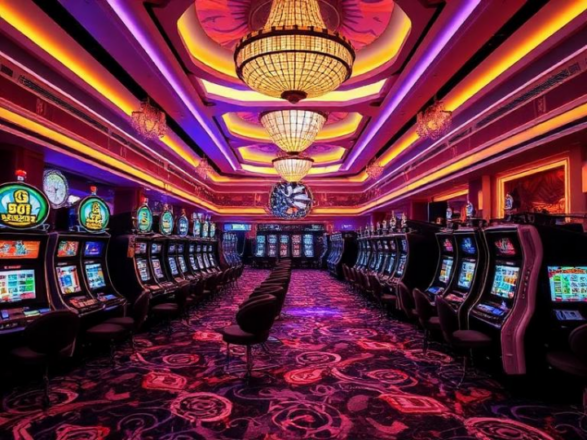
Walking into a casino is entering a carefully orchestrated environment designed to maximize engagement and time spent on the gaming floor. Every element serves a purpose, from the absence of clocks and windows to the strategic placement of machines and tables.
Modern casinos function as self-contained worlds where natural light is deliberately excluded and time markers are removed. This timelessness encourages extended play sessions as visitors lose track of how long they’ve been gambling. The lack of windows means you can’t tell if it’s 2 PM or 2 AM, day or night, creating a perpetual now that exists outside regular schedules and responsibilities.
Lighting in casinos is neither bright nor dim but maintains a consistent, comfortable level that never signals the passage of time. Combined with constant climate control, the environment never gives physical cues about external conditions. You won’t feel the temperature drop of evening or the heat of midday sun, further disconnecting the casino experience from the outside world.
Sound design plays a crucial role in the casino atmosphere. The constant jingling of slot machines, celebratory music when someone wins, and the general buzz of activity create an auditory landscape of excitement and possibility. Even when machines transitioned from mechanical to digital, designers maintained these sounds because they’re psychologically important—they signal that winning is happening all around you, even though losses vastly outnumber wins.
The layout follows careful planning to maximize “time on device” and spending. High-traffic pathways lead past numerous gaming options, making it impossible to reach restaurants, bathrooms, or exits without walking past tempting opportunities to play. The most profitable machines are placed in high-visibility areas, while lower-performing games occupy less prominent positions.
Complimentary beverages keep players comfortable and in their seats. Alcohol lowers inhibitions and impairs judgment, potentially leading to riskier betting decisions and extended play. Even non-alcoholic drinks serve to make guests comfortable and eliminate reasons to leave the gaming floor.
Modern casinos have evolved into entertainment destinations offering world-class dining, luxury shopping, spectacular shows, and resort amenities. This transformation means casinos appeal to broader demographics beyond serious gamblers, creating family-friendly vacation destinations where gaming is just one of many activities.
The Player Experience: From Casual to Professional
Casino life means different things depending on your relationship with gambling. The spectrum ranges from occasional recreational visitors to advantage players who approach gambling as a profession.
Recreational Players visit casinos primarily for entertainment. They set budgets they can afford to lose, view gambling as the cost of a fun evening, and walk away when their entertainment budget is depleted. These visitors might play slots, try their hand at blackjack, or enjoy poker with friends. The thrill comes from possibility rather than expectation, and winning is a pleasant surprise rather than the goal.
For recreational players, casino life is about the experience—the excitement, the social atmosphere, the complimentary drinks, and the feeling of possibility. They understand the house edge and accept that mathematically, they’re likely to lose over time. The value lies in the entertainment received for money spent.
Regular Gamblers visit casinos frequently and may have favorite games, preferred times to play, or established routines. They’ve likely joined players’ clubs to earn comps and rewards. Their relationship with gambling is more complex—while they still view it as entertainment, they’re more invested in winning and may chase losses or extend sessions trying to break even.
Regular gamblers develop superstitions, preferred machines or tables, and beliefs about lucky times or hot streaks. They know dealers by name, have favorite bartenders, and feel a sense of belonging in the casino environment. For some, the casino becomes a social hub and a regular part of their weekly routine.
Problem Gamblers have crossed from entertainment into compulsion. Casino life for them is characterized by an inability to stop despite mounting losses, gambling with money needed for bills or essentials, lying to family about gambling activities, and feeling unable to control their behavior. The excitement has transformed into desperation, and what began as entertainment has become a destructive force.
Casinos walk a fine line regarding problem gambling. While they profit from heavy players, they also implement responsible gaming programs, self-exclusion options, and train employees to recognize concerning behavior. However, the business model fundamentally depends on people losing money, creating inherent tension between profit motives and player welfare.
Advantage Players and Professional Gamblers approach casino life as work rather than entertainment. They focus on games where skill can overcome the house edge—primarily poker, sports betting, and sometimes blackjack card counting. These individuals study probability, manage bankrolls scientifically, and make mathematically optimal decisions.
Professional poker players spend hours at tables, treating it as a job with good and bad days, winning and losing sessions, and the need for emotional control and discipline. Sports bettors analyze statistics, identify value in betting lines, and place calculated wagers. Card counters use mathematical systems to gain small advantages over the house in blackjack, though casinos actively work to identify and ban them.
For professionals, casino life means discipline, emotional control, and understanding that variance is inevitable. They experience substantial swings in both directions and must manage stress, maintain focus during long sessions, and separate their ego from results. The lifestyle can be lucrative but also uncertain, stressful, and isolating.
High Roller Culture and VIP Treatment
The world of high rollers—players who bet thousands or millions—represents casino life at its most glamorous and extreme. Casinos reserve special treatment for these valuable customers, providing complimentary suites, private gaming areas, personal hosts, and lavish perks.
Whale Culture refers to the ultra-high rollers who bet six or seven figures per session. These players receive whatever they desire—private jets, luxury accommodations, exclusive parties, and personalized service. Casinos compete aggressively for these customers because a single whale can generate millions in revenue during a visit.
High rollers often play in private salons away from the main floor, enjoying increased table limits, faster game pace, and privacy from spectators. Some negotiate special rules or conditions that slightly reduce the house edge, though they still face a mathematical disadvantage over time.
The high-roller lifestyle appears glamorous but carries significant risks. Many wealthy individuals have lost fortunes at casinos, and the relationship between casinos and their biggest customers can become complicated. While treated like royalty, high rollers are ultimately customers whose losses directly fund their luxurious treatment.
Casino hosts serve as personal concierges for valued players, arranging everything from dinner reservations to show tickets to travel accommodations. These relationships can become personal over time, though hosts ultimately work for the casino, and their job is to maximize player value while ensuring customers remain satisfied.
Credit and Markers allow high rollers to gamble without carrying large amounts of cash. Players establish credit lines with casinos and draw markers (essentially IOUs) against this credit during play. This convenience can also enable excessive gambling, as chips and markers feel less “real” than cash, potentially leading to larger losses.
Working in Casinos: Career Perspectives
Casino life for employees is distinctly different from the player experience. The industry employs millions worldwide in roles ranging from gaming positions to hospitality, security, entertainment, and management.
Dealers work directly with players, managing games, paying winners, collecting losing bets, and maintaining game integrity. The job requires extensive training, strong math skills, dexterity, and interpersonal abilities. Dealers must remain focused during long shifts, handle difficult customers professionally, and work irregular hours, including nights, weekends, and holidays.
Compensation typically includes base pay plus tips, which can vary dramatically based on the casino, shift, and clientele. High-end casinos with generous tippers offer better earning potential than smaller venues. Dealers experience the full spectrum of human behavior—witnessing both joyous wins and devastating losses, dealing with intoxicated or angry players, and occasionally becoming targets of frustrated gamblers’ anger.
The work is physically demanding, requiring standing for hours and performing repetitive motions that can lead to carpal tunnel syndrome or back problems. Mentally, dealers must maintain concentration while managing multiple aspects of the game simultaneously.
Pit Bosses and Floor Supervisors oversee gaming operations, supervising dealers, resolving disputes, tracking player ratings, and ensuring games run smoothly. These positions require deep game knowledge, leadership skills, and the ability to make quick decisions. They monitor for cheating, card counting, or advantage play while maintaining positive relationships with valued customers.
Slot Technicians maintain and repair gaming machines, requiring technical skills and understanding of increasingly complex computerized systems. As slots become more sophisticated with digital displays, server-based gaming, and connected jackpot systems, technical expertise becomes increasingly valuable.
Security Personnel monitor casino floors, count rooms, and entrances using surveillance systems and physical presence. Casino security requires vigilance, discretion, and the ability to identify potential threats, cheating, or advantage play. The job combines customer service with law enforcement functions.
Hospitality Staff including hotel workers, restaurant employees, entertainers, and retail workers, provide the non-gaming services that make modern casino resorts complete destinations. These roles often offer more regular hours than gaming positions but still typically require weekend and holiday availability.
Marketing and Player Development professionals work to attract and retain customers through promotions, events, and personalized service. They analyze player data, develop targeted campaigns, and manage relationships with valued customers.
Casino careers offer steady employment with benefits, opportunities for advancement, and, in some cases, lucrative compensation. However, they also involve irregular hours, exposure to secondhand smoke in some jurisdictions, dealing with difficult situations, and working in an environment designed around gambling.
The ethical dimension of casino employment causes some people concern—particularly those working directly in gaming who may struggle with profiting from others’ losses or witnessing problem gambling. Employees develop various ways of reconciling this, from viewing themselves as entertainment providers to focusing on the positive experiences they help create.
The Psychology of Casino Life
Understanding casino life requires examining the psychological factors that make gambling appealing and potentially problematic.
Variable Ratio Reinforcement is the psychological principle behind slot machine appeal. Unlike fixed rewards (getting paid every Friday) or fixed ratio rewards (every tenth purchase is free), variable ratio reinforcement provides rewards at unpredictable intervals. This creates the strongest behavioral response and is why slot machines are so engaging—you never know when the next win will occur.
Near Misses trigger dopamine releases similar to actual wins. When slot reels stop just short of a jackpot symbol, or you’re dealt a hand that’s almost a winner, your brain responds with excitement despite the factthat you lost. Casinos exploit this by designing games with frequent near misses that feel like “almost winning.”
The Gambler’s Fallacy is the false belief that past results influence future outcomes in games of pure chance. Players believe a slot machine is “due” to hit after a long losing streak or that certain numbers are “hot” in roulette. In reality, each spin or roll is independent, with the same probability regardless of previous results.
Loss Chasing occurs when players increase bets or extend sessions trying to recoup losses. This behavior often leads to even larger losses and is a hallmark of problem gambling. The emotional desire to break even overrides rational decision-making.
The House Edge ensures that, over time, casinos profit from all games except poker (where they profit from rake). This mathematical advantage is relatively small on individual bets but compounds over time and across millions of players. Understanding this reality is crucial for anyone spending time in casinos.
Illusion of Control makes players believe their decisions or actions influence outcomes in games of pure chance. Throwing dice harder, sitting in certain seats, or following hunches creates a false sense that skill matters when probability is the only factor.
Sunk Cost Fallacy keeps players gambling because they’ve already invested time and money. The rational approach is considering only future expected value, but humans struggle to walk away from investments even when doing so is the smart choice.
The Social Aspect of Casino Life
Casinos function as social spaces where strangers interact, friendships form, and communities develop around shared interests.
Table Games naturally encourage social interaction as players share a common experience. Craps tables particularly foster camaraderie as players root for the shooter and celebrate wins together. Blackjack tables see conversation and friendly competition. Even poker, while competitive, creates social bonds among regular players.
Slot Players are often solitary, but communities still form. Regular players recognize each other, chat during breaks, and share information about machines or promotions. Some casinos offer slot tournaments that create social competition and interaction.
Poker Rooms develop distinct cultures with regulars who know each other, socialize between hands, and share meals. Professional and amateur players mingle, stories are shared, and relationships develop that extend beyond the poker table.
For some people, particularly retirees or those with limited social circles, casinos become primary social outlets. This can be positive, providing community and engagement, or problematic if it enables excessive gambling or replaces healthier social connections.
The Cocktail Culture surrounding casino life varies by venue. Some casinos emphasize nightlife and partying, while others maintain more subdued atmospheres. Complimentary drinks remain standard, and alcohol is intrinsically linked to the casino experience for many visitors.
Casino Life Around the World
Casino culture varies significantly across different regions and jurisdictions.
Las Vegas represents the archetypal American casino experience—massive resort complexes, spectacular entertainment, themed environments, and 24/7 operation. Vegas casino life emphasizes spectacle, luxury, and excess, with properties competing to offer the most impressive experiences.
Atlantic City offers Vegas-style gaming in a more compact boardwalk setting on the East Coast. The city’s casino culture has evolved through economic challenges, with some properties closing while others renovate and adapt.
Native American Casinos across the United States vary from modest operations to world-class resorts. These casinos provide crucial revenue for tribal nations and have transformed many communities economically. The casino experience ranges from basic gaming halls to luxury destinations rivaling Las Vegas properties.
Macau has become the world’s largest gambling center, primarily driven by baccarat-loving Asian high rollers. Macau casino life centers on VIP rooms, enormous table limits, and a culture quite different from Western casino floors.
Monte Carlo represents old-world casino elegance—formal dress codes, historic architecture, and an emphasis on sophistication over spectacle. European casino culture generally maintains more formality and tradition than American venues.
Online Casinos have created entirely new forms of casino life, allowing gambling from home with live dealers, digital slot machines, and virtual poker rooms. This eliminates the physical casino environment while maintaining the gambling activities, creating a solitary experience that some find preferable and others find less engaging than in-person gaming.
The Dark Side: Problem Gambling and Addiction
No honest discussion of casino life can ignore gambling addiction and its devastating consequences.
Gambling Disorder is recognized as a behavioral addiction with symptoms including inability to control gambling despite negative consequences, increasing bets to achieve desired excitement, lying about gambling activities, jeopardizing relationships or opportunities due to gambling, and relying on others to provide money to relieve desperate financial situations caused by gambling.
The consequences of problem gambling extend far beyond financial losses. Families break apart, careers end, homes are lost, and in extreme cases, people turn to crime or suicide. The psychological toll includes depression, anxiety, shame, and loss of self-esteem.
Casinos implement Responsible Gaming Programs, including self-exclusion lists, voluntary limits on play, cooling-off periods, and trained staff to identify concerning behavior. However, critics argue these measures are inadequate given that casinos profit from the heaviest gamblers, many of whom likely have gambling problems.
Help Resources exist for those struggling with gambling addiction. Organizations like Gamblers Anonymous provide peer support, while therapists specializing in gambling disorders offer professional treatment. The National Council on Problem Gambling operates a helpline (1-800-522-4700) providing 24/7 assistance.
Recovery from gambling addiction requires acknowledgment of the problem, willingness to seek help, often complete abstinence from gambling, and addressing underlying issues that may contribute to addictive behavior.
Financial Realities of Casino Life
Understanding the mathematics and economics of gambling is essential for anyone participating in casino life.
The House Edge varies by game:
- Slots: 2-15% depending on denomination and location
- Roulette: 5.26% (American) or 2.7% (European)
- Craps: 0.4-16% depending on bet type
- Blackjack: 0.5-2% with basic strategy
- Baccarat: approximately 1.06% (banker) or 1.24% (player)
- Poker: Casino takes rake rather than playing against the house
These percentages mean that for every $100 wagered, the expected loss ranges from 50 cents to $15, depending on the game. Over time, this mathematical reality ensures casino profitability.
Volatility affects short-term results. High-volatility games like slots or roulette can produce large wins or losses quickly, while low-volatility games like baccarat or blackjack produce steadier, more predictable results. Understanding volatility helps players choose games matching their preferences and bankroll.
Bankroll Management separates responsible gamblers from those courting disaster. Setting strict loss limits, never gambling with money needed for essentials, and walking away at predetermined points protects against catastrophic losses.
Comps and Rewards programs provide value to players through free meals, hotel stays, show tickets, and other perks. However, these rewards are calculated based on expected losses, meaning you’re still losing money overall even when receiving comps.
Tax Implications vary by jurisdiction. In the United States, gambling winnings are taxable income, while gambling losses can be deducted only if you itemize deductions. Casinos report large jackpots to the IRS, and professional gamblers must treat their activities as self-employment.
The Future of Casino Life
Casino life continues evolving with technology, changing regulations, and shifting cultural attitudes.
Mobile and online gambling are expanding rapidly as jurisdictions legalize digital gaming. This creates new forms of casino life where people gamble from home, during commutes, or anywhere with internet access. The convenience increases accessibility but also raises concerns about problem gambling.
Sports Betting legalization across many U.S. states has brought new customers to casino properties and created another dimension of casino life centered around sportsbooks and viewing parties.
Skill-Based Gaming attracts younger demographics by incorporating video game-style elements into casino gaming, though traditional games remain dominant.
Virtual Reality casinos are emerging, offering immersive digital environments where players interact with games and each other in simulated casino spaces. While still nascent, VR could reshape casino life for future generations.
Cryptocurrency integration is beginning at some properties, allowing anonymous transactions and appealing to tech-savvy gamblers.
Regulatory Changes continue shaping casino life, with some jurisdictions expanding gambling access while others implement stricter controls on problem gambling, advertising, or operating hours.
Frequently Asked Questions
Can you make a living gambling?
A small number of people successfully gamble professionally, primarily through poker, sports betting, or advantage play in blackjack. However, the vast majority of people who attempt professional gambling fail. It requires substantial bankroll, exceptional skill, discipline, emotional control, and the ability to handle high variance and uncertainty.
Are casino games rigged?
Licensed, regulated casinos don’t need to rig games because the house edge ensures profitability. Gaming commissions regularly test equipment and audit operations. However, the house edge means you’re mathematically expected to lose over time, which some people interpret as “rigging.”
How do casinos track players?
Players’ club cards track all activity at slot machines and table game play through dealer ratings. Casinos compile detailed profiles including games played, average bet sizes, length of sessions, win/loss history, and demographic information. This data drives marketing and comp calculations.
What’s the best game to play?
From a house edge perspective, blackjack with perfect basic strategy offers the lowest disadvantage (around 0.5%). However, “best” depends on your goals—entertainment value, social experience, potential for large wins, or minimizing losses all lead to different answers.
Can casinos ban you for winning too much?
Casinos can refuse service to anyone for any non-discriminatory reason. Advantage players, particularly card counters, are routinely identified and banned. However, simply winning through luck rather than advantage play typically doesn’t result in banning, though casinos may limit bet sizes or game access.
How much should I bring to a casino?
Bring only the money you can afford to lose completely. Many experts recommend limiting yourself to 5% or less of your monthly entertainment budget. Set a firm limit before arriving and stick to it regardless of whether you’re winning or losing.
Do casinos pump oxygen to keep people awake?
This is an urban legend. Casinos don’t pump extra oxygen, which would be expensive, potentially dangerous, and likely illegal. The environment is simply well-ventilated, climate-controlled, and designed to be comfortable.
What should I wear to a casino?
Dress codes vary dramatically. Las Vegas casinos generally accept casual wear, while European casinos may require formal dress. Check specific venue requirements, but comfortable casual clothing is acceptable at most American casinos.
Can I get banned from all casinos?
Self-exclusion programs allow individuals to voluntarily ban themselves from casinos. Some jurisdictions maintain databases shared across properties. Involuntary bans for cheating or problem behavior are typically property-specific, though serious infractions may be shared industry-wide.
Are drinks really free?
In most American casinos, alcoholic beverages are complimentary while actively gambling. However, tipping cocktail servers is expected. Some casinos charge for drinks if you’re not playing or have switched to premium beverages.
Conclusion
Casino life encompasses far more than games of chance—it’s a complete ecosystem with its own culture, psychology, economy, and social structures. Whether you’re a curious visitor, regular player, industry employee, or someone concerned about problem gambling, understanding the many dimensions of casino life provides a valuable perspective on this unique environment. The key is approaching casino experiences with awareness, realistic expectations, and appropriate boundaries that allow entertainment without enabling harm. For those working in the industry, recognizing the complex relationship between providing entertainment and the potential for addiction remains an ongoing ethical consideration. Casino life will continue evolving with technology and changing attitudes, but the fundamental appeal of risk, reward, and possibility ensures casinos remain fixtures in entertainment and culture for the foreseeable future.