
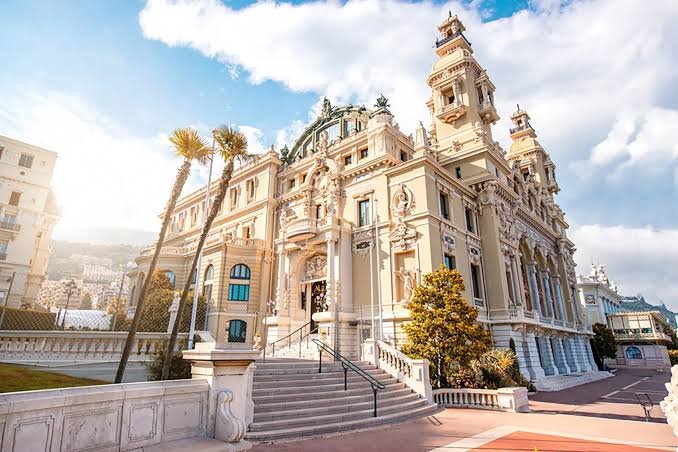
5 Luxurious European Gambling Mecca Destinations to Visit in 2026

Discover the ultimate luxurious European gambling mecca destinations. From Monte Carlo to Baden-Baden, explore the continent’s elite high-roller casinos.
Introduction
There is a particular kind of evening that only Europe does properly.
You arrive by car — or, if the destination warrants it, by yacht — and the building that greets you is not a building in the ordinary sense. It is a statement. Belle époque stonework lit gold against a Mediterranean sky. Doormen in livery. The faint orchestral swell of a house band drifting through doors held open by white-gloved hands. Inside, roulette wheels spin under chandeliers that cost more than most people’s homes. The chips are heavy. The croupiers are precise. The cognac arrives without being ordered.
This is the European gambling mecca at its finest — and there is nothing else quite like it anywhere in the world.
Las Vegas has scale and spectacle. Macau has volume. Singapore has modernity. But Europe has something no other gambling destination can manufacture: centuries of genuine history, layered into the architecture, the culture, and the very soil that these extraordinary casinos are built on.
Monte Carlo’s Casino de Monte-Carlo opened in 1863. The Kurhaus casino in Baden-Baden has been welcoming gamblers since 1824. Estoril in Portugal hosted Allied and Axis spies gambling side by side during the Second World War. These aren’t themed experiences. They’re the real thing.
This guide covers the continent’s greatest gambling destinations in depth — where they are, what makes each one extraordinary, what to play, what to expect, and how they compare. Whether you’re planning a casino travel itinerary, chasing the high-roller experience, or simply want to understand what European gambling luxury actually means, this is where you start.
What Makes a European Casino a “Gambling Mecca”?
The term gambling mecca gets applied casually — but for European destinations, it carries specific meaning.
A genuine European gambling mecca combines several elements that distinguish it from an ordinary casino:
Historical legitimacy
The great European casino destinations didn’t appear overnight. They developed over generations, accumulating cultural significance, architectural grandeur, and social prestige that no amount of money can quickly replicate.
Architectural distinction
The buildings are extraordinary — designed by serious architects, maintained with serious investment, and experienced as cultural landmarks in their own right, not merely as gambling venues.
Operational excellence
European casino tradition prizes croupier skill, game integrity, and service precision above all. The best European casinos employ croupiers who have trained for years and operate tables with a ceremony that itself becomes part of the entertainment.
Social cachet
Being seen at Monte Carlo, at Baden-Baden, at Estoril — these experiences carry social weight that connects gamblers to a tradition stretching back to European royalty, literary figures, and the continent’s cultural elite.
Integration with luxury lifestyle
The great European gambling destinations are always more than casinos. They are resort ecosystems — hotels, spas, restaurants, cultural programming, and natural settings that create complete luxury experiences of which gambling is one compelling element.
With those criteria established, here are the destinations that meet them most completely.
Monte Carlo, Monaco: The Original Gambling Mecca
If there is one place that defines the concept of a luxurious European gambling mecca, it is Monte Carlo.
Technically a neighborhood of the Principality of Monaco — a sovereign city-state on the French Riviera smaller than New York’s Central Park — Monte Carlo has been synonymous with high-stakes glamour since the Casino de Monte-Carlo opened in 1863. It was built to save Monaco from bankruptcy, and it succeeded so completely that Monaco has not levied income tax on its residents since 1869.
The Casino de Monte-Carlo
The casino building itself is a masterwork of belle époque architecture designed by Charles Garnier — the same architect responsible for the Paris Opéra. Its facade, its atrium, its gaming rooms are not decorative additions to a gambling hall. The gambling hall was built around them. The experience of being inside the Casino de Monte-Carlo is inseparable from the experience of being inside a genuine architectural monument.
The casino operates several distinct gaming areas with different atmospheres and stakes:
The Salle Garnier houses the famous opera and ballet venue within the casino complex — you can watch a world-class performance and then walk directly to the gaming tables, a combination of cultural experiences that is uniquely European.
The Salles Touzet contain the main gaming rooms — roulette, trente-et-quarante (a French card game rarely found elsewhere), blackjack, and chemin de fer (the baccarat variant that James Bond plays in Ian Fleming’s novels, set explicitly at this casino).
The Salon Privé is the high-roller room, accessible by separate arrangement, where table minimums are significantly higher and the clientele considerably more exclusive. This is where serious money changes hands in the kind of silence that suggests everyone involved can afford not to react.
The Salle des Amériques offers a slightly more accessible experience — slot machines and American-style table games for visitors who want the Monte Carlo atmosphere without the formal gaming rooms’ requirements.
The Monte Carlo Experience Beyond the Casino
Monaco is small enough that the entire principality constitutes an integrated luxury experience. The Hôtel de Paris — directly adjacent to the casino — is one of Europe’s great grand hotels, with a history connecting it to everyone from Winston Churchill to Marlene Dietrich. The Café de Paris on the casino square offers terrace dining where the Monte Carlo parade of supercars, superyachts, and impeccably dressed visitors is as entertaining as any floor show.
The Monaco Grand Prix circuit runs directly past the casino — one of the reasons race weekend is the hardest time of year to find a hotel room within 50 kilometers.
Practical Information: Casino de Monte-Carlo
- Dress code: Smart formal. Jacket required for men in main gaming rooms. Tie recommended for Salon Privé.
- Entry: Passport required. Entry fee for main rooms (approximately €17). Over 18 only. Monaco residents not permitted in the casino.
- Table minimums: From €5 in standard rooms; significantly higher in private rooms.
- Best games: European roulette (single zero, 2.7% house edge), chemin de fer, trente-et-quarante.
- Opening hours: Noon onwards daily; some rooms open later.
- Best time to visit: Shoulder season (April–May, September–October) for atmosphere without peak-season crowding.
Baden-Baden, Germany: The Most Beautiful Casino in the World
If Monte Carlo is the most famous European gambling mecca, Baden-Baden makes a serious case for being the most beautiful.
The Kurhaus Casino in Baden-Baden, Germany, is housed in a neoclassical building completed in 1824 — a structure so architecturally distinguished that the German government lists it as a national monument. Marlene Dietrich famously described it as the most beautiful casino in the world. Standing in the Florentiner Saal — the main gambling room, its walls lined with gold-framed mirrors, its ceiling painted with mythological scenes — it’s very difficult to argue with her.
History and Cultural Significance
Baden-Baden’s significance in gambling history goes beyond architecture. In the 19th century, it was the summer gambling capital of Europe, attracting royalty, aristocracy, artists, and writers who made the two-week train journey from Paris or Berlin for the season.
Dostoyevsky gambled here and lost catastrophically — an experience that produced both personal ruin and The Gambler, one of literature’s most penetrating explorations of gambling psychology. Brahms composed here. Queen Victoria visited. The Prussian royal family treated it as a summer court.
The casino was closed during both World Wars and during the Nazi period — the National Socialists banned gambling in Germany, an edict that lasted from 1933 until the postwar reestablishment of licensed casinos. Baden-Baden reopened its casino in 1950 and has operated continuously since.
The Gaming Experience
The Kurhaus Casino operates a refined selection of classic European games:
- European roulette: Multiple tables at varying stakes, operated with the ceremonial precision that Baden-Baden’s tradition demands
- Blackjack: Classic European rules
- Poker: Both tournament and cash game formats are offered regularly
- Punto banco: The baccarat variant standard across European casinos
The casino’s philosophy is explicitly traditional — this is not a venue that chases trends or installs banks of slot machines as its primary offering. The table games, the architectural setting, and the service are the product.
Beyond the Casino
Baden-Baden is a spa town — its thermal baths have been drawing visitors for Roman times. The Caracalla Therme and the Friedrichsbad offer thermal bathing experiences that pair perfectly with a casino evening. The town’s pedestrianized center, its proximity to the Black Forest, and its world-class hotel collection (the Brenners Park-Hotel is among Germany’s finest) make it a complete destination.
Practical Information: Kurhaus Casino Baden-Baden
- Dress code: Formal. Jacket and tie required for men. Evening dress encouraged.
- Entry: Passport required. Entry fee approximately €3–€5.
- Table minimums: From €2–€5 for roulette; higher for other games.
- Best games: European roulette, classic blackjack.
- Opening hours: 2 PM–2 AM Sunday–Thursday; 2 PM–3 AM Friday–Saturday.
- Best time to visit: Year-round, though spring and autumn offer the most pleasant weather for combining casino visits with spa and outdoor activities.
Casino Estoril, Portugal: Espionage, Elegance, and the Atlantic
Forty minutes west of Lisbon, on Portugal’s Estoril coast, sits a casino with a claim no other gambling venue can make: it was the inspiration for James Bond.
The Casino Estoril is the largest casino in Europe by gaming floor area. It opened in 1931 and throughout the Second World War operated in uniquely extraordinary circumstances — Portugal’s neutral status meant Lisbon became a gathering point for spies, refugees, exiled royalty, and intelligence operatives from every side of the conflict. Many of them relaxed at the Casino Estoril.
Ian Fleming, working as a British naval intelligence officer, visited Estoril during the war and played at its tables. The casino — its atmosphere, its clientele, its tension — directly inspired the creation of James Bond and the casino scenes that define the character. Fleming wrote in Casino Royale about a fictional casino that bore an unmistakable resemblance to what he had experienced in Estoril.
The Modern Casino Estoril
The current casino is a substantial operation — significantly expanded from its wartime incarnation. It houses:
- A large gaming floor with over 1,000 slot machines, European roulette, blackjack, baccarat, and poker tables
- A congress center for large events
- Multiple restaurants ranging from fine dining to casual
- A theater for live entertainment — shows run several nights per week
- Gardens that light up at night and provide a dramatically beautiful setting
The integration of entertainment, dining, and gambling makes Estoril feel more like a Las Vegas resort in ambition than most European casinos, while maintaining a distinctly European elegance in execution.
The Estoril Coast
The casino sits at the center of a coastline that was once home to European royalty in exile — the kings and queens of various displaced European houses who gathered in Portugal after World War II. The Palácio Hotel adjacent to the casino has hosted more deposed monarchs than anywhere outside Switzerland.
Today the Estoril coast is a desirable residential area for Lisbon’s wealthy, a tourism draw for the beaches and the Sintra palace complex nearby, and — for gambling tourists — a destination that combines genuine historical drama with a fully modern casino experience.
Practical Information: Casino Estoril
- Dress code: Smart casual acceptable in most areas; formal attire encouraged for main gaming rooms.
- Entry: Free entry to slot machine areas; table game areas may require registration.
- Table minimums: From €5.
- Best games: European roulette, baccarat, poker tournaments.
- Opening hours: 3 PM–3 AM daily (slot areas open earlier).
- Getting there: Direct train from Lisbon Cais do Sodré station — approximately 40 minutes.
Casino Baden, Austria: Alpine Luxury at Its Most Refined
Not to be confused with Baden-Baden in Germany, Casino Baden in Austria — located 25 kilometers south of Vienna in the spa town of Baden bei Wien — represents the Austrian approach to gambling luxury: imperial, precise, and quietly spectacular.
The casino operates in a building that served as a summer retreat for the Habsburg imperial family. Playing roulette in rooms where Austrian emperors once relaxed is the kind of historical layering that only European gambling destinations provide.
Baden bei Wien’s thermal springs have been drawing visitors for over 2,000 years. The combination of the spa tradition, the Viennese day-trip market, and the imperial architectural setting makes Casino Baden one of central Europe’s most distinctive gambling experiences.
The broader Casinos Austria chain — which operates casinos across Austria including in Vienna, Salzburg, Innsbruck, and Bregenz — maintains consistently high standards of service and game integrity across all properties. The Vienna casino, housed in the Palais Esterhazy in the city center, offers the extraordinary combination of gambling in a genuine baroque palace in one of Europe’s great cultural capitals.
The Venetian Casino Experience: Italy’s Gambling Heritage
Italy’s relationship with gambling history is fundamental — the word casino itself derives from Italian, originally meaning a small house or social club. Venice’s Casino di Venezia is the oldest casino in the world still in operation, having received its license in 1638.
The Ca’ Vendramin Calergi — the palazzo on the Grand Canal that houses the winter casino — is a Renaissance architectural masterpiece. Richard Wagner died in this building in 1883. Playing baccarat in a room where one of the 19th century’s greatest composers spent his final days is an experience that resists easy description.
The summer casino operates on the mainland in a more modern facility, but the winter casino — accessible by water taxi from anywhere in Venice — is one of the most extraordinary gambling experiences in Europe by virtue of pure location and history alone.
Practical note: Italy’s casino landscape is relatively limited by design — strict licensing means only four state-authorized casinos operate in the country (Venice, Sanremo, Campione d’Italia, and Saint Vincent). This scarcity maintains exclusivity but means that Italian casino culture, while historically significant, offers fewer options than other major European gambling destinations.
London’s Mayfair Casino Clubs: Understated British Luxury
London occupies a unique position in the European gambling landscape. The UK Gambling Commission licenses some of the most tightly regulated casino operations in the world, and London’s Mayfair district hosts a concentration of private members’ club casinos that represent a distinctly British approach to gambling luxury — one that is deliberately understated by continental standards but arguably more genuinely exclusive.
The Clermont Club
The Clermont Club in Berkeley Square is one of London’s oldest and most prestigious private gambling clubs. Founded in 1962 in a William Kent townhouse, the club’s membership historically included much of the British aristocracy — and, infamously, Lord Lucan, who was last seen at the Clermont the night of the murder of his children’s nanny in 1974.
The club’s combination of gambling, dining, and social membership creates an experience that is thoroughly British: extraordinary on the inside, completely invisible from the outside. There is no sign. There is no neon. There is nothing to suggest to a passerby that anything remarkable is happening within.
The Ritz Club
The casino within the Ritz Hotel in Piccadilly operates with the same philosophy. Members only. Jacket required. The gambling is incidental to the membership — it happens to occur in one of London’s great hotels, in rooms decorated with the same Edwardian grandeur as the rest of the building.
Table limits at London’s top private casinos are among the highest in Europe, making them genuine high-roller destinations despite the deliberate absence of the spectacle that Monaco or Baden-Baden provide.
The Aspinalls
Aspinalls in Mayfair operates two clubs and is known for attracting seriously wealthy gamblers from the Middle East, Asia, and Europe. The combination of no-limit table games, sophisticated dining, and a genuinely private membership environment makes it one of Europe’s most significant high-stakes gambling destinations even though its name is almost unknown outside gambling circles.
Czech Republic: Europe’s Underrated Casino Hub
The Czech Republic — and specifically Karlovy Vary (Carlsbad) and Prague — represents one of Europe’s most underrated gambling destinations. Less famous than Monaco, less formal than Baden-Baden, and significantly more accessible in terms of cost, the Czech casino scene offers genuine quality for visitors who want European casino culture without the price point of the continent’s premier destinations.
Karlovy Vary is a spa town in western Bohemia that has been drawing European aristocracy for centuries — Peter the Great, Beethoven, Goethe, and Karl Marx all visited and took the waters. Its casino, housed in a grand hotel overlooking the town’s famous colonnades, operates at the intersection of the spa town tradition and central European gaming culture.
Prague has emerged as one of Europe’s most dynamic casino cities, with multiple licensed operations ranging from the serious (the casino at the Hilton or the Marriott) to the informal. Prague’s combination of extraordinary architectural beauty, relatively low cost, and high density of licensed gaming makes it a genuine gambling city in its own right — one that rewards visitors who approach it beyond the bachelor party reputation its old town has acquired.
Comparison Table: Europe’s Top Gambling Destinations
| Destination | Country | Casino Opened | Dress Code | Best Game | High Roller? | Price Level |
|---|---|---|---|---|---|---|
| Monte Carlo | Monaco | 1863 | Formal | Chemin de fer / Roulette | ✅ Premier | ★★★★★ |
| Baden-Baden | Germany | 1824 | Formal | European Roulette | ✅ Yes | ★★★★ |
| Casino Estoril | Portugal | 1931 | Smart | Baccarat / Poker | ✅ Yes | ★★★ |
| Venice (Ca’ Vendramin) | Italy | 1638 | Smart formal | Baccarat | ✅ Yes | ★★★★ |
| London (Mayfair clubs) | UK | Various | Formal (members) | Punto banco / Poker | ✅ Premier | ★★★★★ |
| Baden bei Wien | Austria | 1934 | Smart | Roulette | ✅ Yes | ★★★ |
| Karlovy Vary | Czech Republic | Various | Smart casual | Roulette / Blackjack | ⬜ Mid | ★★ |
| Prague | Czech Republic | Various | Smart casual | Poker / Roulette | ⬜ Mid | ★★ |
| Estoril (summer) | Portugal | 1931 | Casual | Slots / Roulette | ⬜ Mid | ★★ |
| Sanremo | Italy | 1905 | Formal | Roulette / Chemin de fer | ✅ Yes | ★★★★ |
Games You’ll Find at European Casino Meccas
European gambling destinations standardized several game formats that differ meaningfully from their American or Asian counterparts. Understanding these differences makes the experience significantly more rewarding.
European Roulette
The defining difference: a single zero, giving a house edge of 2.7% compared to American roulette’s double zero and 5.26% house edge. This is one of the most significant player-favorable game differences in casino gambling, and it’s the default across virtually all European casino floors.
Many French-tradition casinos go further with the en prison rule — if the ball lands on zero, even-money bets are “imprisoned” for the next spin rather than automatically lost. This effectively halves the house edge on even-money bets to approximately 1.35%, making French roulette one of the best-value casino games available.
Understanding roulette systems and house edge in detail before visiting will meaningfully improve your experience and your results.
Chemin de Fer
The baccarat variant played at Monte Carlo and traditional French casinos. Unlike punto banco (standard baccarat), chemin de fer involves players actively making decisions — when to draw a third card — and players can bank the game, taking on the house role against other players. It’s slower, more social, and carries a genuine skill dimension that standard baccarat lacks.
Trente-et-Quarante
Unique to French-tradition casinos (primarily Monte Carlo), this card game offers one of the lowest house edges in any table game — approximately 1.0%. Cards are dealt into two rows (red and black) until they total over 30, and players bet on which row will be closer to 31. Almost never found outside Monte Carlo and a handful of other traditional French gaming establishments.
Punto Banco
The baccarat variant standard across most European casinos outside France. Pure chance — no player decisions after betting. House edge approximately 1.06% on banker bets, 1.24% on player bets. Popular with Asian gamblers globally and a staple of European casino high-roller rooms.
European Blackjack
Standard blackjack rules apply with some European variations: dealers typically don’t take a hole card (no peek), which affects optimal strategy slightly. The blackjack strategy guide at GamblingHacks.net covers both American and European rule variants in detail.
The High Roller Experience in Europe
European casino meccas handle high rollers differently from Las Vegas — the approach is less overtly aggressive and more quietly accommodating, which suits the clientele.
At Monte Carlo’s Salon Privé, very high-stakes players are not marketed to through loyalty programs and comp incentives. They’re accommodated through relationships — the casino’s private gaming managers maintain personal connections with significant players and arrange visits through direct contact rather than mass marketing.
The practical differences in the European high-roller experience:
No limits (or very high limits): The top European private casinos — London’s Mayfair clubs, Monte Carlo’s private rooms — routinely accommodate no-limit or very-high-limit play that would be unusual even in Las Vegas.
Privacy: European casino culture prizes discretion. High-roller rooms are genuinely private — separated from public gaming areas, staffed separately, and accessible only through specific arrangements.
Credit arrangements: Significant players are typically extended credit through the casino rather than bringing large cash sums. These arrangements are handled through casino credit managers with the kind of financial due diligence that makes them genuinely commercial relationships rather than simple comp systems.
Comps and hospitality: European casinos comp at the highest level — helicopter transfers, suite accommodations, Michelin-starred dining, private boat hire in Monaco — but these are arranged as a natural part of the relationship rather than publicized through tiered loyalty schemes.
Online Alternatives: Bringing European Luxury to Your Screen
The extraordinary thing about European casino culture in 2026 is that its most distinctive elements — the precision of the croupiers, the specific game variants, the ceremonial quality of European table games — are now genuinely replicable through live casino technology.
Live dealer platforms from providers like Evolution Gaming, Playtech, and Pragmatic Play operate studio environments specifically designed to recreate the European casino aesthetic. Live European roulette, live baccarat with French-tradition presentation, live blackjack with European rules — these are available 24 hours a day from any connected device.
The live casino platforms guide at GamblingHacks.net covers the best options in detail, including which platforms offer the most authentic European game variants and which provide the most reliable streaming quality.
This doesn’t replicate the experience of standing in the Kurhaus Casino in Baden-Baden with a glass of Riesling while a perfectly dressed croupier spins the wheel in silence. But for the game itself — the rules, the house edge, the specific variants — online live casino is a genuine and accessible alternative.
Crypto casino platforms have also entered the European-aesthetic live casino space, with some offering live European games with cryptocurrency payment options that aren’t available at physical casinos.
Legal Framework: How European Casino Gambling Is Regulated
Europe’s casino destinations operate under some of the world’s most sophisticated gambling regulatory frameworks. Understanding the legal landscape improves both your experience and your protection as a player.
United Kingdom
The UK Gambling Commission licenses all commercial gambling in Britain, including the London casino clubs. Requirements include mandatory age verification, anti-money-laundering checks for large transactions, and responsible gambling tools including self-exclusion through the national GAMSTOP system. UK-licensed casinos must be fair and transparent by regulatory requirement.
Monaco
The Société des Bains de Mer (SBM) — the company that operates the Casino de Monte-Carlo — is partially owned by the Monegasque state and operates under direct government oversight. Monaco residents are prohibited from entering the casino entirely, a long-standing policy designed to protect the local population.
Germany
German casino regulation is state-level (Länder), meaning each of Germany’s federal states sets its own gambling rules. Baden-Baden’s Kurhaus Casino is licensed by the state of Baden-Württemberg under regulations that include mandatory age verification, responsible gambling measures, and regular audit requirements.
Portugal
The Casino Estoril operates under a concession from the Portuguese state, subject to regulation by the Tourism Authority. Portugal’s gambling framework is among the more liberal in Western Europe, allowing a broader range of games and longer operating hours than some other jurisdictions.
Italy
Italy’s four authorized casinos operate under government concessions and are among the most strictly regulated in Europe. The small number of authorized operators reflects Italy’s conservative approach to gambling expansion, which limits availability but maintains high regulatory standards for licensed operations.
Understanding gambling laws across European jurisdictions is worthwhile for any serious gambling traveler. The rules differ significantly between countries, and what’s standard at one casino may be unavailable or differently structured at another.
Responsible Gambling at European Casino Destinations
Europe’s premium gambling destinations take responsible gambling seriously — both because regulation requires it and because their long-term business model depends on maintaining a clientele that continues to participate over years and decades rather than burning through resources in a single catastrophic visit.
The tools available at European licensed casinos include:
Entry limits and self-exclusion: All licensed European jurisdictions maintain self-exclusion systems. In the UK, GAMSTOP provides national self-exclusion from all UK-licensed online and physical casinos simultaneously.
Mandatory breaks: Some European jurisdictions require casinos to interrupt play after defined session lengths.
Staff training: European casino staff are trained to recognize signs of problem gambling and are required to follow protocols when they do — ranging from offering information about support services to refusing service.
ATM limitations: Many European casinos limit or prohibit ATM access on the gaming floor, creating a natural friction that slows loss escalation.
The responsible gambling framework at GamblingHacks.net covers the specific tools available in each major gambling jurisdiction, including how to activate self-exclusion at both physical and online European casinos.
The European experience is intended to be sustainable luxury — an evening, a weekend, a week at most. The great European gambling meccas have survived centuries by providing an experience people want to return to, not one that leaves them unable to return.
Planning Your European Gambling Trip: Practical Guide
Budget Planning
A realistic budget for a quality European casino visit:
| Expense | Budget Level | Mid Level | High Roller |
|---|---|---|---|
| Accommodation (per night) | €100–€200 | €300–€600 | €1,000+ |
| Casino entry | €0–€20 | €20 | Arrangements vary |
| Gambling bankroll | €200–€500 | €1,000–€5,000 | No limit |
| Dining (per evening) | €50–€100 | €150–€300 | €500+ |
| Transport | Variable | Variable | Variable |
Bankroll management principles apply at European casino destinations exactly as they do anywhere else — decide your gambling budget before you arrive, treat it as entertainment spend rather than investment, and honor your limits regardless of what’s happening at the table.
What to Pack
- Passport: Required for casino entry across all European destinations — a driving license is insufficient at most venues
- Formal attire: Jacket and tie for men is not optional at Monte Carlo or Baden-Baden main gaming rooms. Invest in appropriate clothing or inquire about jacket loans (some casinos offer them)
- Research on games: Understanding European roulette strategy, chemin de fer rules, and trente-et-quarante before you arrive significantly improves the experience
- Currency: Most European casinos prefer cash at the table, though credit and debit card deposits are available at the cage
Best Combination Itineraries
The French Riviera Circuit: Monte Carlo (2 nights) → Nice (1 night) → Cannes (1 night). Combines the world’s most famous casino with some of the Riviera’s best restaurants, beaches, and cultural experiences.
The Spa Town Grand Tour: Baden-Baden (2 nights) → Karlovy Vary (2 nights) → Vienna/Baden bei Wien (2 nights). Three of Europe’s great spa gambling towns in a single itinerary through central Europe’s most beautiful landscapes.
The Iberian Casino Experience: Estoril/Lisbon (3 nights). Combine the James Bond casino, Lisbon’s extraordinary food scene, and the Sintra palace complex into one of Europe’s most underrated city-and-casino experiences.
The Serenissima: Venice’s Ca’ Vendramin (2 nights). The world’s oldest casino in Europe’s most extraordinary city. Arrive by water taxi, stay in a canal-side hotel, gamble in a Renaissance palazzo. No itinerary required beyond the city itself.
Real-World Stories: Famous Moments at European Casino Meccas
Charles Wells and the Man Who Broke the Bank at Monte Carlo
In 1891, Charles Wells — a British con artist and inventor — visited Monte Carlo and, in a run that defies statistical explanation, won over one million francs across 11 hours of play, breaking the bank (exhausting the table’s reserve) multiple times. The casino was forced to cover his table with a black cloth — the original “breaking the bank at Monte Carlo.”
The popular song The Man Who Broke the Bank at Monte Carlo was written about his exploit. Wells returned to Monte Carlo twice more — winning again on his second visit, losing everything on his third. His story is the gambler’s arc in miniature: extraordinary highs, inevitable return to earth, and the inability to stop while ahead.
Ian Fleming at Estoril
As documented in his biographies, Ian Fleming’s experience at the Casino Estoril during the Second World War was directly formative for the James Bond character. The specific game — chemin de fer — the specific setting, and the specific social environment of intelligence officers gambling against each other in a neutral country became the template for Casino Royale and established gambling as central to Bond’s identity.
Fleming’s description of the game — “the most perfect expression of the aristocratic ideal, where skill and nerve and character are the decisive factors” — captures something real about the chemin de fer experience that explains why the game remains the gambling choice of European sophistication.
Dostoyevsky at Baden-Baden
Fyodor Dostoyevsky’s relationship with the Kurhaus Casino at Baden-Baden is one of literature’s most significant gambling stories. Visiting in the 1860s, he lost significant sums repeatedly — money he could not afford, borrowed money, money intended for other purposes.
His letters from Baden-Baden describe the psychological experience of gambling with a precision that would have impressed any modern addiction researcher. The certainty before each session that this time the system would work. The horror of watching it fail again. The inability to stop despite that horror. He wrote The Gambler in 26 days to meet a debt deadline — dictating it to a stenographer who later became his wife.
The casino he lost at still stands. You can play roulette at the same tables, in the same rooms. The experience of doing so with Dostoyevsky’s account in mind is uniquely European gambling tourism: the history isn’t decorative. It’s present.
Statistics: The European Casino Industry in 2026
| Metric | Figure |
|---|---|
| European casino market revenue (2025) | Approximately €9–11 billion |
| Number of licensed land-based casinos in Europe | 1,500+ |
| Country with highest casino density per capita | Czech Republic |
| Oldest operating casino in Europe | Casino di Venezia, Italy (1638) |
| Most visited European casino destination | Monte Carlo (millions of visitors annually) |
| UK licensed casino venues | Approximately 120 |
| Average European casino house edge (European roulette) | 2.70% |
| Average American casino house edge (American roulette) | 5.26% |
| European online gambling market growth rate (2020–2026) | ~11% annually |
Benefits and Risks of the European Casino Experience
What Makes It Worth Doing
- Genuinely better game odds: European roulette’s single zero, trente-et-quarante’s 1% edge, and en prison rules make European casino games mathematically superior to most alternatives
- Extraordinary settings: Experiencing these venues is a cultural event as much as a gambling experience
- High regulatory standards: European licensed casinos offer strong player protections, certified fair games, and reliable dispute resolution
- Integration with world-class travel: European casino destinations combine gambling with some of the world’s best hotels, restaurants, and cultural experiences
What to Be Aware Of
- Cost: Accommodation, travel, dining, and entry costs add up significantly around premium destinations
- Dress requirements: Turning up underdressed at Monte Carlo’s main gaming rooms means being turned away — research requirements carefully
- Membership requirements: London’s best casino clubs require advance membership applications — spontaneous visits aren’t possible
- House edge still exists: European casino games are better odds than their American counterparts, but the house still has the edge in every game. Bankroll management and realistic expectations are essential
Expert Tips for Visiting European Casino Meccas
Expert Tip Box: Getting the Most from European Casino Gambling
Play European roulette, not American
Single zero gives you significantly better odds — if the casino offers both, there’s no rational reason to play the American version.
Learn chemin de fer before visiting Monte Carlo
The game has a genuine skill dimension. Arriving without understanding it is like going to a symphony without knowing how to listen.
Visit midweek if possible
Monte Carlo on a Saturday in high season is crowded and impersonal. On a Tuesday evening, the atmosphere is considerably more intimate and the service noticeably more attentive.
Bring your passport, always
A driving license will not gain you entry at most serious European casinos. No exceptions.
Set your gambling budget before you land
The allure of these destinations can make in-the-moment budget decisions unreliable. Decide your total gambling spend for the trip in advance and honor it.
Take time away from the tables
The most memorable European casino experiences are not exclusively about gambling. The building, the restaurant, the view, the service — these are part of the experience. Treat the gaming floor as one element among many.
Future Trends: European Gambling Meccas in 2026 and Beyond
European casino destinations are not static institutions. They’re adapting — some more successfully than others — to a world in which online gambling offers competitive alternatives and the demographic of serious gamblers is shifting.
Japan’s integrated resort development — expected to open in the late 2020s — will introduce Asian casino resort culture on a massive scale, which may shift some high-roller traffic away from European destinations. However, the European casinos’ historical and cultural advantages cannot be replicated in newly built facilities.
Digital integration at physical casinos is increasing. Monte Carlo and other premium venues are developing companion apps, digital membership management, and hybrid experiences that connect the physical gambling experience with digital elements.
Cryptocurrency acceptance remains limited but is growing. A small number of European casino destinations have begun accepting cryptocurrency for cage transactions, catering to a new generation of high-net-worth gamblers who hold significant cryptocurrency assets. Crypto casino platforms continue to grow as online alternatives.
Responsible gambling technology is becoming more sophisticated. AI systems that detect problem gambling behavioral patterns are being piloted at several major European casino operators, representing a significant evolution in consumer protection capability.
The fundamental appeal of the great European gambling meccas — the history, the architecture, the game tradition, the service — is not vulnerable to technological disruption. But the casinos that thrive in the next decade will be those that integrate thoughtfully with digital gambling culture rather than positioning themselves in opposition to it.
FAQ
Q: What is the most luxurious European gambling destination? A: Monte Carlo’s Casino de Monte-Carlo is generally considered the world’s most luxurious gambling destination by historical prestige and cultural significance. For pure architectural beauty, many gambling historians give that distinction to Baden-Baden’s Kurhaus Casino. For the most exclusive high-stakes play, London’s Mayfair members’ clubs accommodate the highest limits with the greatest privacy.
Q: Do you need to be a high roller to visit Monte Carlo’s casino? A: No. The main gaming rooms have table minimums starting at €5, and the Salle des Amériques offers slot machines and more casual gaming. The Salon Privé has higher minimums and different arrangements. Most visitors to Monte Carlo play at accessible stakes in the standard rooms.
Q: What is the best game to play at a European casino? A: Trente-et-quarante (if available) offers approximately 1% house edge — one of the best in any casino. French roulette with the en prison rule reduces even-money bets to approximately 1.35% house edge. European roulette without en prison runs at 2.7%. Blackjack played with basic strategy also performs well at approximately 0.5% house edge under standard European rules.
Q: Do European casinos accept American players? A: Yes — American citizens can visit and gamble at European casino destinations. American citizens must report gambling winnings to the IRS regardless of where they were won. See our gambling tax guide for details on reporting requirements.
Q: How do I self-exclude from European casinos if needed? A: Self-exclusion systems exist in every licensed European jurisdiction. In the UK, GAMSTOP provides national online self-exclusion. Individual physical casinos all maintain their own self-exclusion registers. Contact the casino’s responsible gambling team or visit the responsible gambling resources page for jurisdiction-specific guidance.
Q: Is Monte Carlo casino only for the very wealthy? A: The Casino de Monte-Carlo is accessible to any adult visitor with appropriate dress and identification. Table minimums in the main rooms begin at €5. The experience of the building, the service, and the atmosphere is available at any budget. The Salon Privé and private arrangements are for significantly higher-stakes players, but these are separate from the public gaming rooms.
Q: What’s the difference between a European casino and an online live casino? A: European physical casinos offer the full sensory experience — the architectural setting, the social atmosphere, the ritual of physical chips and cards. Online live casino platforms replicate the human croupier element and the specific European game variants (single-zero roulette, chemin de fer where available) with 24/7 accessibility and much lower minimum bets, but without the physical environment.
Final Verdict: Why European Casino Meccas Are in a Class of Their Own
Gambling can happen anywhere. You can bet on your phone at 3 AM in your bedroom. You can find a casino in almost any country in the world. The games are increasingly standardized, the interfaces increasingly similar, the experience increasingly virtual.
What European casino meccas offer is something that cannot be digitized, franchised, or constructed overnight: the weight of genuine history embedded in a physical place.
Standing at a roulette table in the Casino de Monte-Carlo, you are standing where European royalty stood, where literary giants gambled, where the modern casino industry was essentially invented. The chandeliers above you are original. The architectural details around you were designed by the same architect who built the Paris Opéra. The game being played at your table has been played at this specific table, in this specific room, by this specific method, for over 160 years.
That experience is not reproducible. No algorithm generates it. No UX designer can build it. No marketing budget can manufacture it.
For serious gamblers, for luxury travelers, for anyone who wants to understand what the gambling experience can be at its absolute finest — the European gambling meccas are not optional. They are the source.