
New Jersey Casino Gambling History 1976 Disabled & Elderly Funding

Explore the New Jersey casino gambling history 1976 disabled elderly funding connection. Learn how Atlantic City’s gaming taxes support seniors today.
The Forgotten Promise: How 1976 Changed NJ Gambling Forever
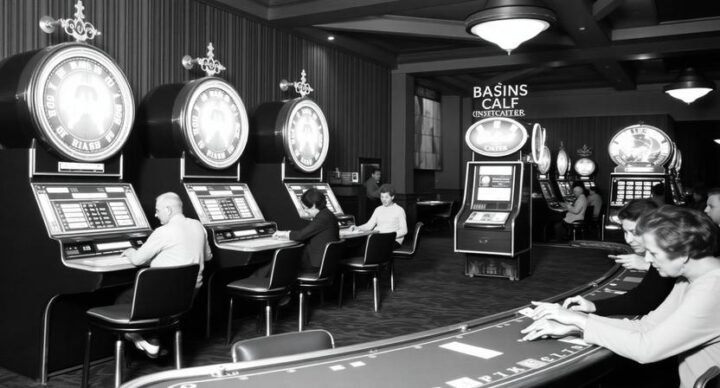
When most people think of Atlantic City, they imagine bright lights, boardwalks, and the thrill of a winning hand. However, the origin of this gambling mecca is rooted in a much more practical and compassionate goal. The story of New Jersey casino gambling history 1976 disabled elderly funding is not just about cards and slots; it is about a state seeking a way to care for its most vulnerable citizens.
In the mid-1970s, New Jersey was facing a fiscal crisis. Property taxes were soaring, and the state struggled to fund essential social programs. The solution came in the form of the Casino Control Act. Legalizing gambling wasn’t just for entertainment; it was a strategic move to generate revenue. Specifically, the legislation promised that a significant portion of tax revenue would be directed toward programs assisting the disabled and the elderly. This unique agreement set the foundation for the industry we see today.

The 1976 Referendum: A Vote for the Vulnerable
To understand the current landscape, we must look back at the pivotal vote on November 2, 1976. New Jersey voters approved a constitutional amendment allowing casino gambling in Atlantic City, but this decision came with specific conditions. Unlike Las Vegas, where tax revenues flowed into the state’s general fund, New Jersey’s law earmarked funds for specific groups.
This legislation created the Casino Revenue Fund. The primary purpose was clear: to reduce property taxes and provide financial assistance to the elderly and disabled. This targeted approach was the selling point that convinced a hesitant public to embrace gambling. It established a direct link between the spin of a roulette wheel and the quality of life for senior citizens.
Why Atlantic City Was Chosen
Atlantic City was once a premier vacation destination, but by the 1970s, it had fallen into economic decline. Legalizing casinos was seen as a tool for urban renewal. The state hoped that the influx of tourists would revitalize the local economy while the tax dollars would support statewide social services. It was a dual-purpose strategy: save a dying city and fund state welfare programs simultaneously.
How the Funding Actually Works
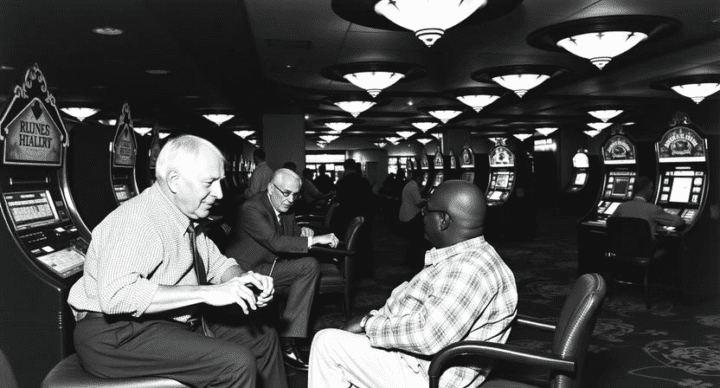
The connection between casino taxes and social aid is not just a historical footnote; it is a functioning system that operates today. When casinos win money at the tables or slot machines, they are taxed on that gross revenue. Currently, New Jersey imposes an 8% tax on gross casino revenues. This money does not vanish into a bureaucratic black hole.
Instead, it flows directly into the Casino Revenue Fund. This fund is legally restricted for use on programs that benefit senior citizens and people with disabilities. This ensures that the promise made in 1976 is kept decades later.
Key Programs Supported by Casino Taxes
The revenue generated from Atlantic City casinos has a tangible impact on real lives. Some of the major initiatives funded include:
- Pharmaceutical Assistance to the Aged and Disabled (PAAD): This program helps eligible seniors and disabled individuals pay for their prescription drugs.
- Lifeline Utility Assistance: This provides annual benefits to help low-income seniors and disabled residents pay their electric, gas, and water bills.
- Senior Property Tax Freeze: While distinct, the overall tax relief structure is bolstered by the economic activity of casinos.
Best Tips at a Glance: Understanding NJ Casino Taxes
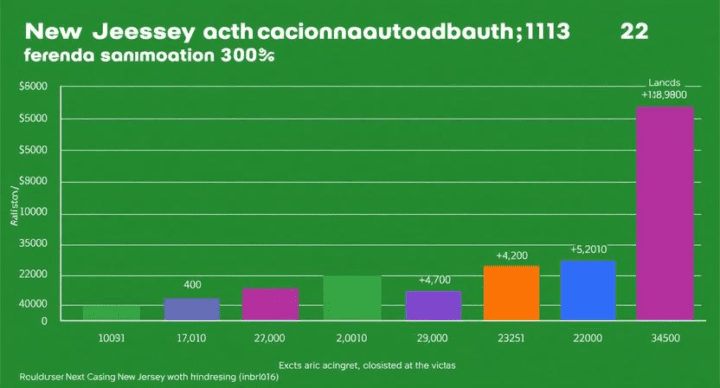
For those interested in the mechanics of gambling legislation or how betting taxes work, here is a quick overview of the system established in 1976.
| Aspect | Details |
|---|---|
| Legislation Date | November 2, 1976 (Public Question 1) |
| Tax Rate | 8% on Gross Gaming Revenue (GGR) |
| Primary Beneficiary | Casino Revenue Fund |
| Target Audience | Seniors (65+) and Disabled Residents |
| Main Goal | Fund prescriptions, utilities, and tax relief |
| Modern Context | Funds also support tourism and marketing |
Who Can Benefit From This History?
Understanding the history of casino funding is valuable for different groups of people today.
- New Jersey Residents: If you or a loved one utilizes PAAD or Lifeline programs, it is important to know where that money comes from. It highlights the importance of a thriving, regulated gambling industry in the state.
- Gamblers and Bettors: Knowing that your losses contribute to social good can offer a small silver lining. It emphasizes the difference between regulated, legal gambling and offshore, unregulated betting.
- Policy Enthusiasts: This history serves as a case study for how gambling can be leveraged for social welfare, influencing how other states approach sports betting and casino legalization today.

Comparing 1976 to Modern Sports Betting
The landscape of gambling in New Jersey has evolved drastically since 1976. The most significant change came in 2018 when the state successfully challenged the federal ban on sports betting, opening the door for mobile wagering.
While the 1976 law focused on brick-and-mortar casinos to help the elderly, the modern sports betting boom contributes to the state in different ways. Sports betting revenue is taxed differently (often at a higher rate for online wagering, around 13% for online vs 8% for retail), and it flows into the general fund or is used for specific economic development projects.
However, the legacy of the 1976 act remains. The original brick-and-mortar casinos continue to fund the Casino Revenue Fund. This distinction is vital: land-based casino gambling remains a primary lifeline for the elderly and disabled, a promise that has endured for nearly 50 years.
FAQ Section
1. Why was casino gambling legalized in New Jersey in 1976?
It was legalized primarily to revitalize the failing economy of Atlantic City and to generate tax revenue specifically earmarked for programs assisting the elderly and disabled.
2. Do casino taxes really help the elderly in NJ?
Yes. Through the Casino Revenue Fund, taxes collected from casino winnings directly fund pharmaceutical assistance (PAAD) and utility bill assistance for qualifying seniors and disabled residents.
3. What is the Casino Revenue Fund?
Established by the 1976 Casino Control Act, this fund is a state account where all taxes on casino gross revenue are deposited, exclusively for the benefit of senior citizens and the disabled.
4. Does sports betting revenue go to the elderly, too?
Unlike the 1976 casino law, revenue from modern sports betting and internet gaming typically goes into the state’s general fund or is used for economic development and tourism, though some funds may overlap in broader state budgets.
5. How much money has the Casino Revenue Fund raised?
While figures fluctuate yearly, the fund has generated hundreds of millions of dollars over the decades, providing critical support for prescription drug costs and utility bills for thousands of New Jersey residents.
Conclusion
The story of New Jersey casino gambling history 1976 disabled elderly funding is a fascinating example of how legislation can intertwine entertainment with social responsibility. It serves as a reminder that behind the glitz of the blackjack tables lies a financial engine that supports the state’s most vulnerable populations.
As the industry continues to grow with new online platforms and sportsbooks, the foundational promise of 1976 remains a crucial part of New Jersey’s identity. For more insights into the world of gambling, from history to winning strategies, stay tuned to gamblinghacks.net.
Want to learn more about how gambling laws affect you? Explore our other guides and articles!